
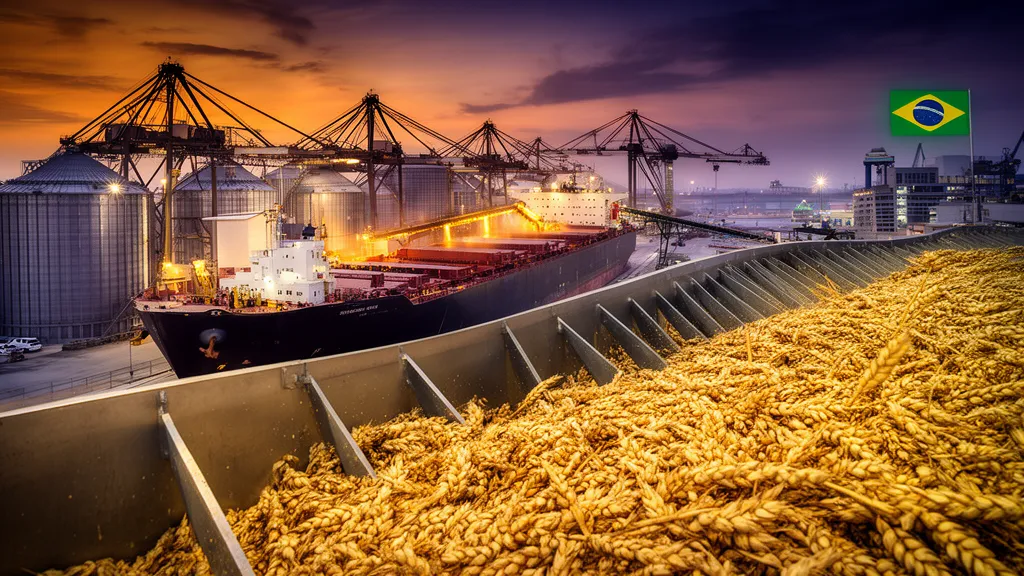
- Brazil imports rising: Wheat imports projected at 7–8 million tonnes in 2026/27, up from 6.87 million tonnes in 2025, reaching the highest level since 2013.
- Domestic output falling: Brazilian wheat production expected to drop by nearly 2 million tonnes to just over 6 million tonnes on El Niño risks and higher costs.
- Shift from Argentina: Quality concerns in Argentine wheat are pushing Brazil to diversify supply, favoring Russia and the United States.
- Bullish Black Sea outlook: Russian exporters are positioned to capture additional market share and support firmer Black Sea FOB values.
Brazilian Wheat Import Outlook
Industry analysts expect Brazil’s wheat imports to expand significantly in the 2026/27 season, with projections between 7 and 8 million tonnes. This compares with an estimated 6.87 million tonnes in 2025 and would mark the highest import level since 2013, when Brazil last brought in more than 7 million tonnes of wheat.
The import growth is driven by tightening domestic supply and weather-related risks. Brazilian wheat production is forecast to decline by almost 2 million tonnes compared with 2025, slipping to just over 6 million tonnes. El Niño conditions typically bring heavier rainfall to southern wheat-growing regions, hurting yields and grain quality. At the same time, rising production costs linked to the Iran war are discouraging farmers from maintaining acreage and investment levels.
Shifting Trade Flows and Supplier Diversification
Quality deterioration in Argentina, Brazil’s traditional main supplier, is prompting mills and traders to look for alternative origins. Russian and U.S. wheat are emerging as key beneficiaries of this diversification, with Russian exporters particularly well-placed to increase their share of the South American market. Safras & Mercado analyst Elcio Bento describes the current season as unprecedented in terms of uncertainty, underscoring the need for importers to secure reliable, higher-quality supplies.
Implications for Black Sea Wheat
The combination of higher Brazilian import requirements and concerns over Argentine quality is bullish for Black Sea wheat exports. With Brazil’s import needs potentially rising by 1–1.3 million tonnes year-on-year and buyers actively diversifying origins, Russian wheat is likely to see stronger demand and improved pricing power. This environment supports firmer FOB values from Black Sea ports, especially as Brazilian tender activity intensifies ahead of the Southern Hemisphere harvest and import demand becomes clearer.
| Season | Brazil Wheat Imports (million tonnes) | Brazil Wheat Production (million tonnes) |
|---|---|---|
| 2025 | 6.87 | ~8.0 |
| 2026/27 (forecast) | 7.0–8.0 | Just over 6.0 |
Source: Market Data
Leave a Reply