
- Access Restrictions: From January 2026, vessels with fewer than 10 interim port calls between Ukrainian and Russian ports are blocked from Russian Black Sea terminals.
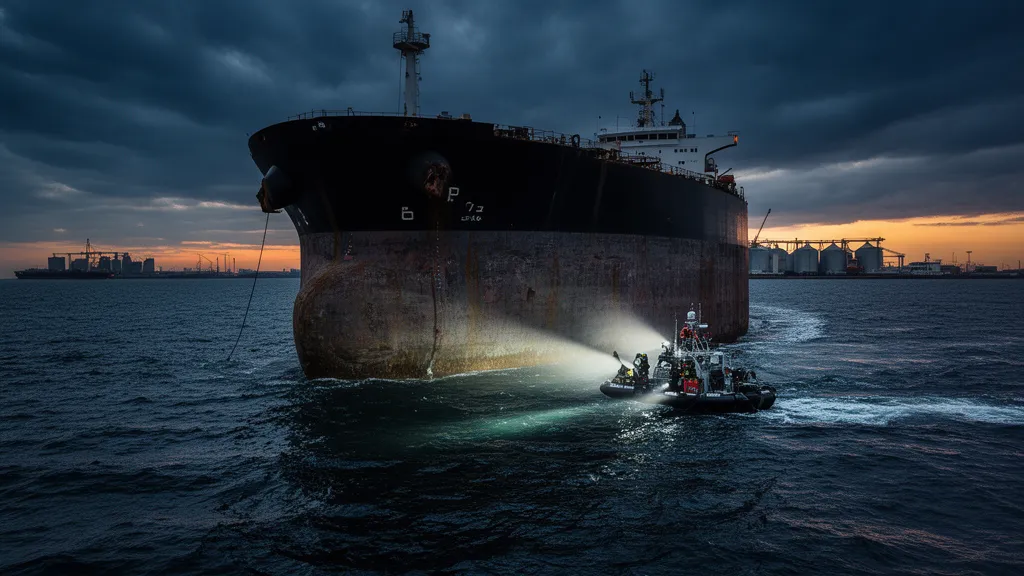
- Inspection Costs: Underwater hull checks for ships using Romanian anchorages near Sulina are lengthening wait times and increasing freight disbursement costs.
- Regional Disparity: Black Sea enforcement is significantly stricter than in the Baltic, where the same regulatory framework is applied more leniently.
- Freight Impact: Fragmented logistics, higher compliance costs, and reduced vessel flexibility are neutral to bearish for freight and Ukrainian export competitiveness.
- Market Structure: Dedicated fleets for Russian vs Ukrainian trades are likely to emerge, while some cargo flows could shift toward the Baltic within existing constraints.
Russia Tightens Black Sea Port Access
Russian Black Sea ports have introduced stringent access rules for vessels that recently called at Ukrainian ports. Effective January 2026, ships are generally prohibited from entering Russian Black Sea terminals unless they have completed at least 10 interim port calls between Ukrainian and Russian facilities. This sharply limits flexibility for vessels that alternate between the two markets.
The new regime extends beyond direct calls to Ukraine. Vessels that have used Romanian anchorages near Sulina—commonly employed as staging areas before entering Ukrainian waters—now face prolonged underwater hull inspections. When Romania appears among the last five port events, the cost of these inspections is added to the disbursement account, raising voyage expenses and extending turnaround times.
Regulatory Context and Regional Disparities
These measures build on Russia’s 2025 regulatory framework, including a July 21 presidential decree mandating permission for all vessels arriving from foreign ports and the August 2025 extension of hull inspection programs from the Baltic to the Black Sea. Market participants note that despite the common legal basis, Baltic Sea inspections remain comparatively lenient, with enforcement intensity varying by terminal and basin, while the Black Sea has become significantly tighter.
The shift coincides with the withdrawal of a leading UAE trader from Black Sea grain trading, highlighting a more complex and competitive landscape for regional exporters and logistics providers.
Freight Market Implications
The impact on freight is assessed as neutral to bearish. The restrictions fragment the Black Sea logistics network, effectively forcing shipowners to choose between serving Russian or Ukrainian ports. Vessels attempting to cover both origins will face higher operational frictions, while the market is likely to evolve toward separate, dedicated fleets for each corridor.
Closer scrutiny and more frequent hull inspections around Romanian anchorages are inflating disbursement costs and extending voyage durations. This reduces effective vessel availability for Ukrainian exports, encourages higher freight premiums to compensate for regulatory and operational risks, and may redirect some cargo toward the Baltic—though Ukraine’s limited access to Baltic routes caps that relief.
Source: Market Data
Leave a Reply