- Bearish for Ukrainian grain: Nitrogen fertilizer deficit of 100,000–170,000 tons threatens spring sowing and yield potential.
- Structural supply shock: Domestic ammonium nitrate production fell 49% from 1.99 million tons (2024-25) to 1.016 million tons (2025-26) due to infrastructure attacks and power disruptions.
- Regulatory bottleneck: Continued ban on calcium ammonium nitrate imports, despite its non-explosive classification under international standards, blocks rapid supply relief.
- Export risk: Potential decline in Ukrainian corn and wheat output could tighten Black Sea exportable supplies in the 2025-26 marketing year.
Market Update
The Ukrainian Agrarian Business Club Association (UCAB) and the All-Ukrainian Agrarian Council have issued an urgent appeal to the Ministries of Economy, Environment, and Agriculture to authorize imports of calcium ammonium nitrate (limestone ammonium nitrate). This nitrogen fertilizer is considered critical for the upcoming sowing campaign, with direct implications for crop development and final yields.
Following Russian attacks on Ukrainian port and energy infrastructure, authorities introduced a broad ban on the transshipment, storage, and transportation of explosive cargo, including ammonium nitrate. In response, farmers proposed calcium ammonium nitrate as a non-explosive alternative under both national and international standards. However, the import ban remains in force, and stakeholders report there is no clear technical or safety justification for continuing to block these shipments.
This regulatory deadlock is emerging just as the sowing season approaches, raising concerns that farmers will lack sufficient nitrogen fertilizers for optimal application timing. The inability to import calcium ammonium nitrate is preventing the market from compensating for lost domestic capacity and is amplifying the risks associated with already tight on-farm input inventories.
Nitrogen Fertilizer Balance
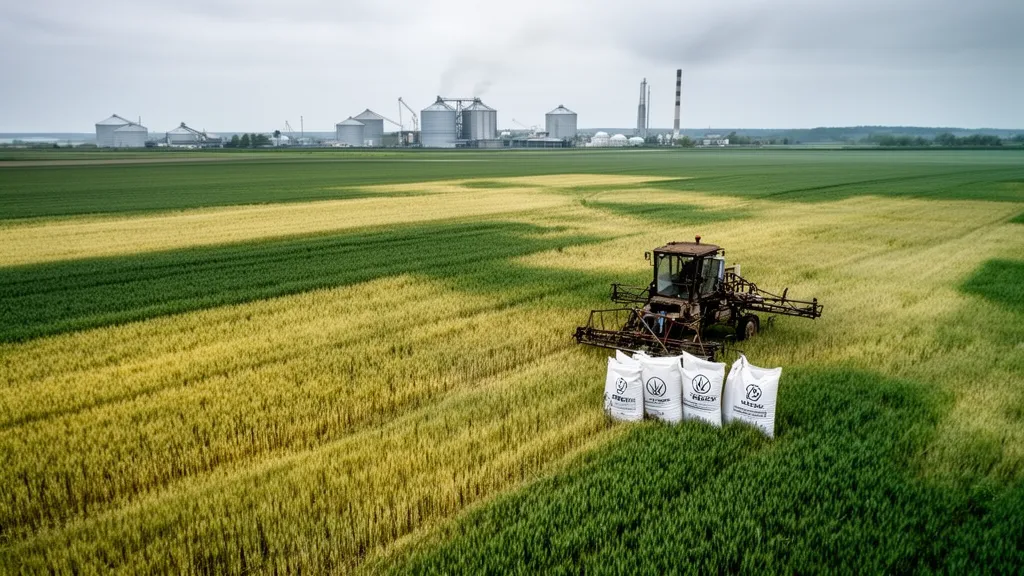
Ukraine is currently facing a nitrogen fertilizer deficit estimated at 100,000–170,000 tons, primarily in ammonium nitrate and its substitutes. This shortfall has intensified as domestic ammonium nitrate production has dropped sharply due to ongoing attacks on industrial and energy infrastructure, which have disrupted operations at major chemical plants and limited reliable power supply.
| Season | Domestic Ammonium Nitrate Production (million tons) | Change vs. Prior Season |
|---|---|---|
| 2024-25 | 1.99 | – |
| 2025-26 | 1.016 | -49% |
| Estimated Nitrogen Deficit (Current) | 0.10–0.17 | Shortfall vs. demand |
The 49% year-on-year production decline from 1.99 million tons in 2024-25 to 1.016 million tons in 2025-26 reflects a structural supply constraint rather than a temporary maintenance-related outage. Without access to imports, especially of calcium ammonium nitrate, the domestic market lacks the flexibility to backfill missing volumes before key top-dressing windows for winter wheat and pre-planting applications for spring crops.
Market Impact and Outlook
The fertilizer shortfall is bearish for Ukrainian grain production and could reduce exportable volumes from the Black Sea region during the 2025-26 marketing year. Nitrogen is particularly important for high-yielding crops such as corn and wheat, and any delay or cutback in application rates can lower both yield and quality, including protein content for milling wheat.
Each week of delay in resolving the regulatory impasse compresses the application window and raises the likelihood of suboptimal nutrient management. Farmers may be forced to ration available supplies, prioritize certain fields or crops, or shift toward lower input strategies. The result would likely be lower average yields and heightened variability in production outcomes across regions, especially in areas already affected by logistical or security challenges.
For market participants, the combination of a structural nitrogen supply gap and policy uncertainty around fertilizer imports introduces additional risk into 2025-26 Black Sea supply projections. Traders and analysts should monitor Ukrainian crop condition updates, fertilizer application reports, and any regulatory changes on fertilizer handling and imports as the spring season advances.
Source: Market Data
Leave a Reply