
Author: Viktoriia Ray
-

Malaysian Palm Oil Exports Surge to Record High
Record exports: Malaysian palm oil exports surged to 1.6 million tonnes in March, up 45% from February’s 1.1 million tonnes and the highest ever for the month. Inventory drawdown: Strong global demand and improved price competitiveness accelerated the reduction of Malaysian palm oil stocks. Tighter supply: Seasonally low production and Ramadan-related downtime limited fresh supply…
-
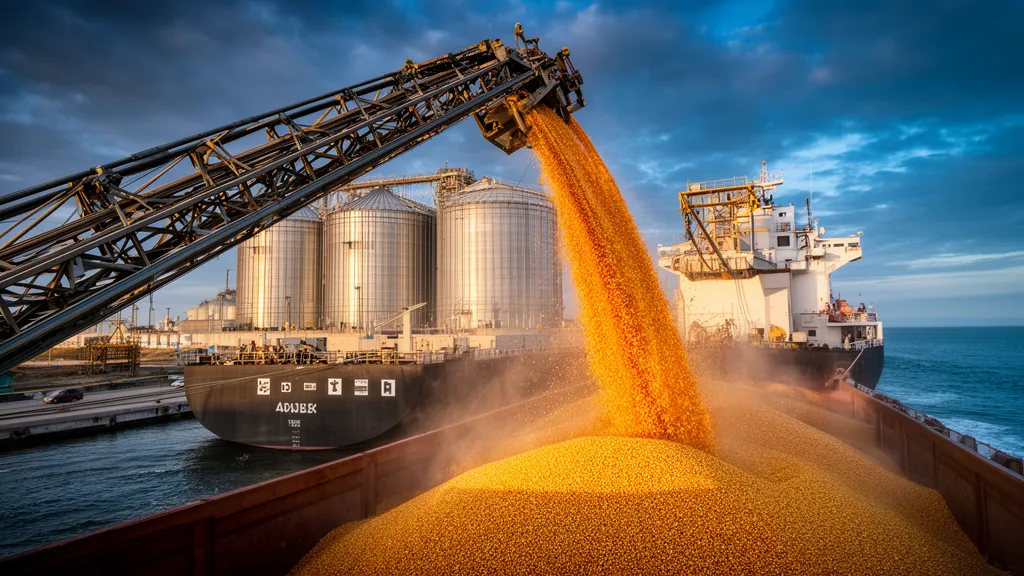
Ukrainian Corn Prices Rise on Strong Export Demand
Bullish: Ukrainian feed corn prices at export ports gained USD 1–2/t on strong export demand and farmer premiums for large-volume shipments. Bullish: Corn remains the most actively exported grain, supported by firm international prices and tightening supply at Black Sea terminals. Market Update Feed corn purchase prices at Ukrainian ports edged higher at the start…
-
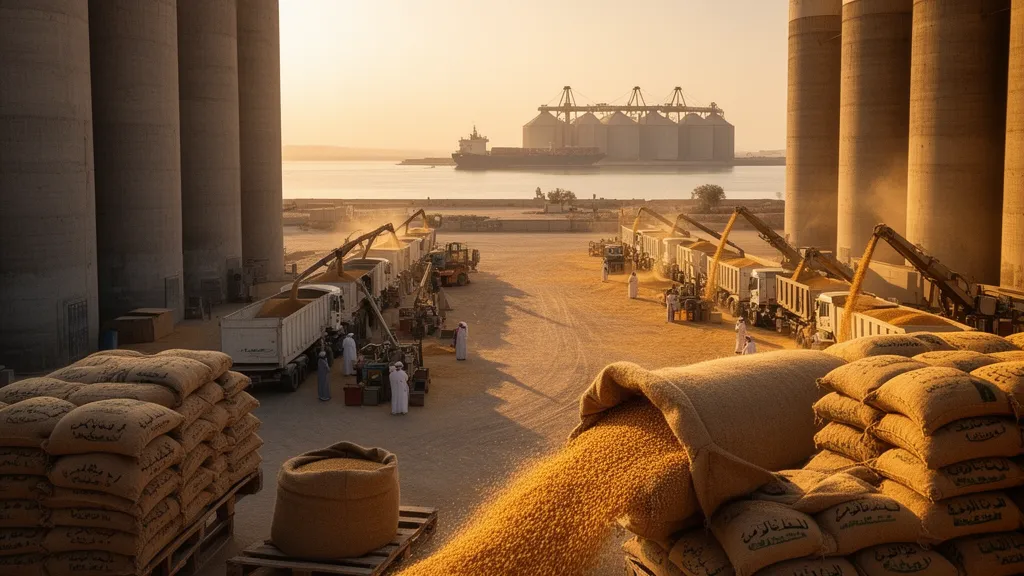
Egypt Wheat Purchase Price Rises 11% for 2024
Key Takeaways Egypt raised the domestic wheat procurement price to 2,500 EGP ($46.76) per ardeb (150 kg), an increase of around 6–11% from the prior 2,250–2,350 EGP range. The government targets 5 million tonnes of local wheat purchases for 2024, up from about 3.9 million tonnes last year. Strategic reserves for key commodities, including wheat,…
-

Ukraine Agricultural Exports Surge 10.8% in March
Export Surge: Ukraine’s agricultural exports rose 10.8% month-on-month in March to 5.5 million tons, ending four months of flat shipments. Grain Strength: Grain exports reached 3.7 million tons (+7%), driven by corn (75% share) and wheat (24%). Oil & Oilseed Outperformance: Vegetable oils and oilseeds led growth with exports up 16% and 12% respectively. Value-Added…
-

India Rapeseed Production Hits Record, Prices Surge
Bullish (near term): Unseasonal rainfall has delayed harvesting and tightened old-crop supplies, lifting wholesale rapeseed prices to 75,000 rupees/tonne. Bearish (medium term): A record 11.9 million tonne crop and higher processing capacity are likely to curb import demand once the new crop flows to market. India Rapeseed Market Update India’s rapeseed sector is set for…
-

US Wheat Acreage Set for Record Low in 2026
Record Low Acreage: US wheat area projected at 43.78 million acres in 2026, a new historic low, down 3.4% from 2025. Crop Rotation Shift: Persistently low grain prices and adverse weather are pushing US producers away from wheat toward soybeans and, to a lesser extent, corn. Input Cost Pressure: Fertilizer prices are jumping due to…
-
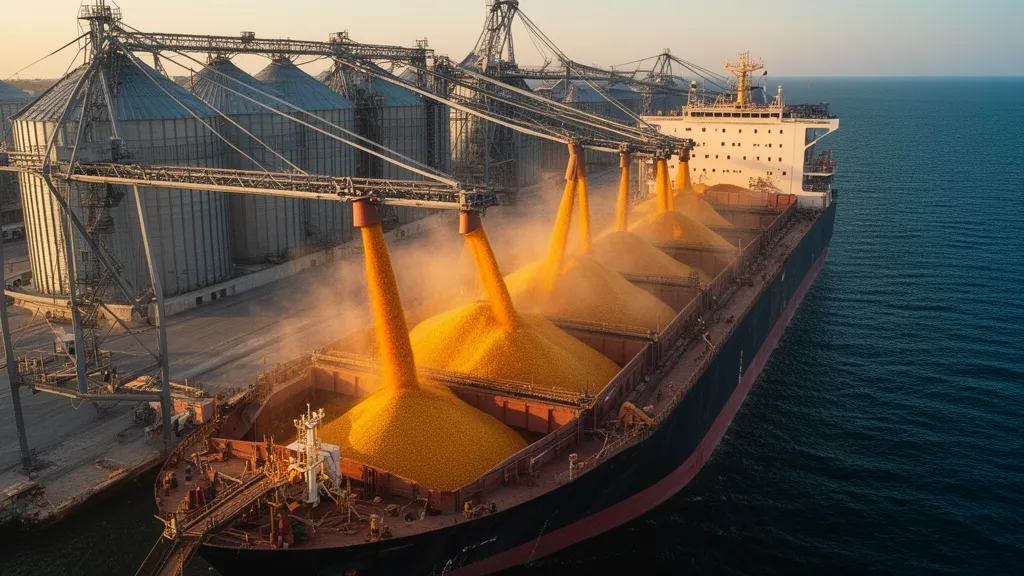
Ukraine Grain Exports Rise 7.9% in March 2025
Export growth: March 2025 Ukrainian grain exports rose 7.9% year-on-year to 3.633 million tonnes. Cumulative lag: Season-to-date exports at 26.058 million tonnes remain 6.5 million tonnes below last year’s pace. Corn-driven flows: Corn accounted for 75% of March shipments, totaling 2.709 million tonnes. Freight implications: Strong Q2 export programs may tighten Black Sea freight capacity…
-
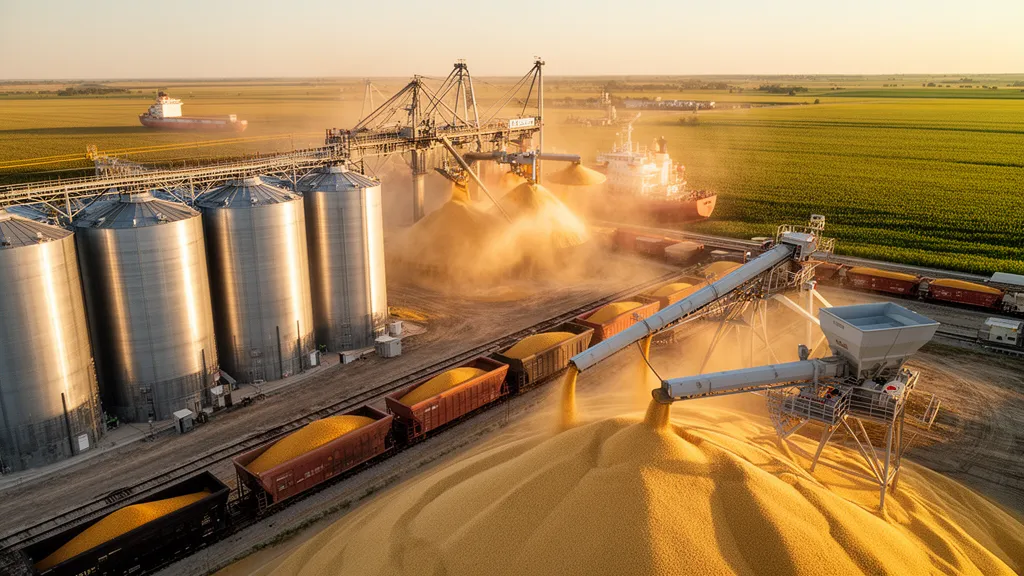
US Soybean Meal Exports Surge 52% — Market Impact
Export Surge: US soybean meal exports hit 380,000 tonnes in the week of March 13–19, up 52% year-on-year, with three-week volumes reaching 1.14 million tonnes. Stronger Crush: US soybean processing in March is projected at 6 million tonnes, a 7% increase versus 5.6 million tonnes last year, underpinning higher meal supply. Q1 Growth: First-quarter 2025…
-

Ukrainian Rail Freight Costs Soar 100% — Grain Impact
Bearish for exporters: Ukrzaliznytsia’s starting railcar tariffs more than doubled in Q1 2026 versus Q1 2025 despite lower agricultural export volumes, sharply raising inland logistics costs. Cost pressure intensifying: A 60% increase in railcar accumulation fees from April 1 further erodes grain and oilseed exporter margins and may force higher FOB offer levels. Competitiveness at…
-
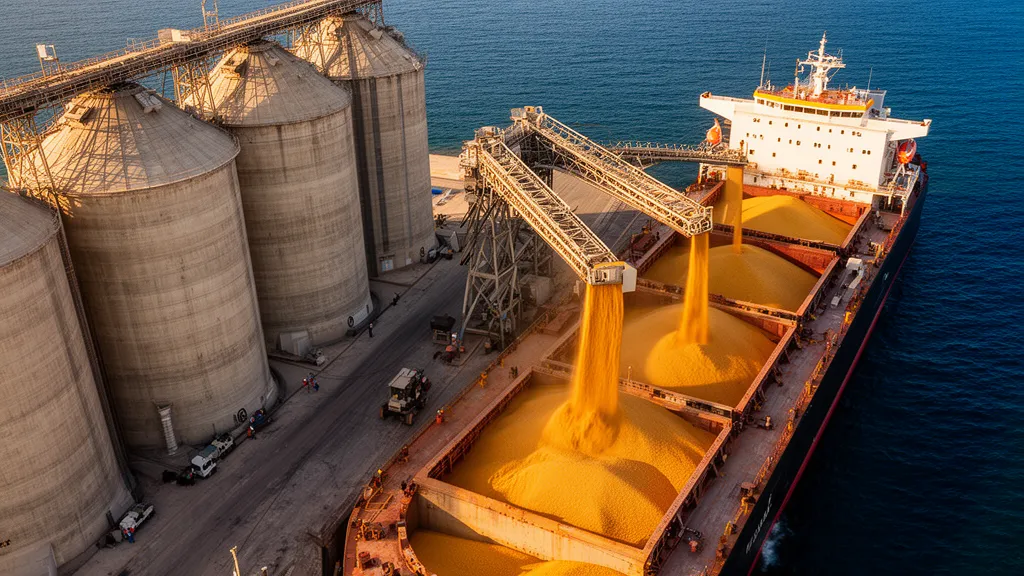
Tunisia Wheat Tender: 100,000t Secured at $275/t
Volume Secured: Tunisia’s ODC booked 100,000 tonnes of soft wheat via international tender for May–June 2025 delivery. Price Range: Awarded prices were tightly grouped between $274.70 and $275.49 per tonne C&F, highlighting strong competition. Supplier Split: Cargill won half the volume, with Buildcom and Casillo each securing one 25,000-tonne batch. Market Signal: Neutral for Black…