
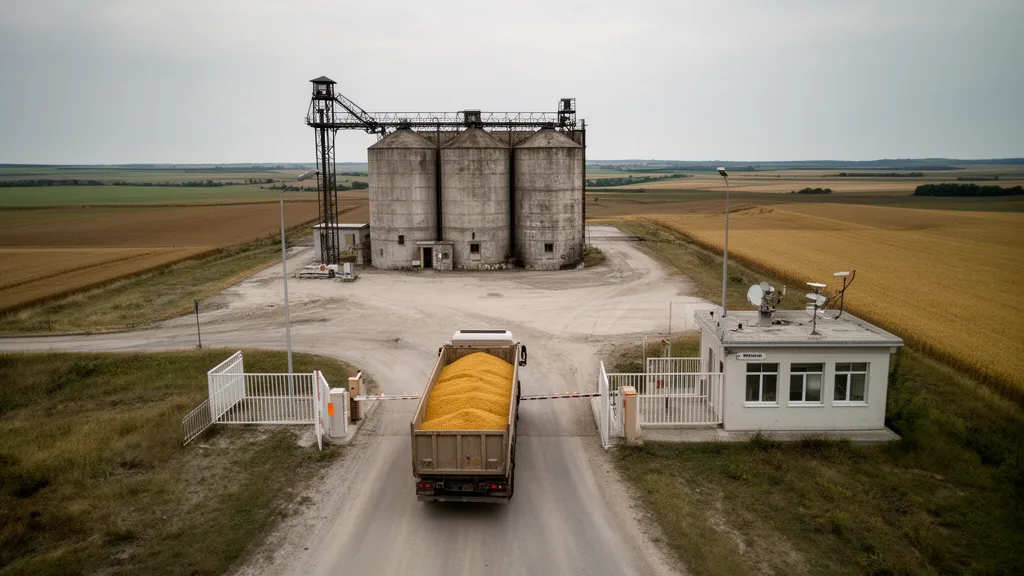
- Policy shift: Moldova will end its Ukrainian grain import licensing regime on January 1, 2026, reverting to standard import procedures.
- Limited past impact: Only 25 import licenses were issued between October 2023 and December 2025, underscoring Moldova’s minor role as a grain destination under the restrictions.
- Ongoing oversight: Enhanced market monitoring will remain in place, allowing authorities to react quickly to potential market disruptions.
- Freight implications: Neutral to slightly bearish for Ukrainian grain freight, as the opened corridor may raise flows but is tempered by continued regulatory vigilance.
Moldova to Lift Ukrainian Grain Import Licensing Regime from January 2026
Moldova will terminate its special import licensing regime for Ukrainian grain on December 31, 2025, and restore normal import procedures starting January 1, 2026. The decision was announced by Moldovan Agriculture Minister Ludmila Katlabuga on December 23, confirming the government will not prolong the temporary measure.
The licensing system, in force since October 2023, required a special commission under the Ministry of Agriculture to approve each grain import from Ukraine. Over the two-year period, the commission issued just 25 licenses for various grain crops, reflecting a relatively limited import flow under the restrictive framework.
The regime was originally introduced in response to farmer protests over the impact of cheaper Ukrainian grain on the domestic market and local producer competitiveness. By controlling volumes through licensing, authorities aimed to mitigate downward pressure on local prices and safeguard farm incomes.
With the licensing requirement set to expire, Minister Katlabuga stressed that reinforced market monitoring tools will remain in place. She underlined the government’s commitment to “closely monitor the situation to prevent any market disruptions,” signaling a readiness to intervene should serious imbalances or price shocks emerge.
Market and Freight Implications
The removal of Moldova’s import licensing regime opens a more direct and predictable corridor for Ukrainian grain shipments, which could modestly increase freight flows via Moldovan routes from early 2026. However, the low number of licenses granted over two years indicates that Moldova has not been a major outlet for Ukrainian grain, limiting the immediate upside for volumes.
From a freight perspective, the outlook is neutral to slightly bearish. While logistical flexibility and potential throughput may improve, the continuation of strict market monitoring and the possibility of future interventions impose a ceiling on aggressive growth expectations. Traders and logistics operators should track changes in routing preferences and any signs of policy recalibration as Ukrainian exporters regain unrestricted access to the Moldovan market.
Source: Market Data
Leave a Reply