
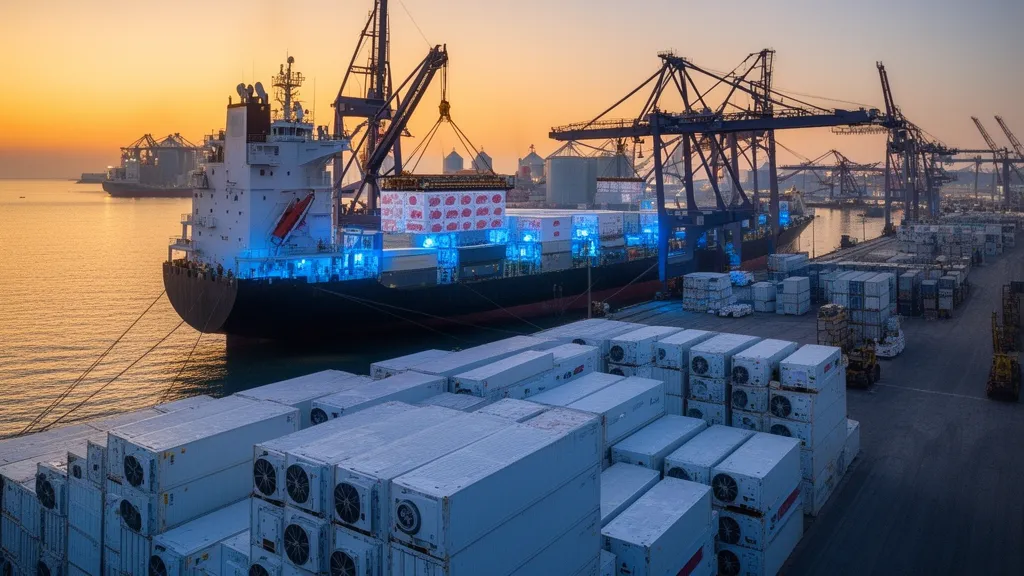
- Russian pork and by-product exports to Vietnam hit a record 80,000 tons (Jan–Nov), up 28% YoY and worth $186 million.
- Total Russian pork exports are nearing 400,000 tons globally in 2024, with export revenues close to $1 billion.
- Rising protein exports from Black Sea origins to Southeast Asia may tighten vessel capacity and support freight rates.
- Government-backed expansion targeting +1 million tons of live weight by 2030 implies structurally higher export-driven freight demand.
Russian Pork Exports to Vietnam
Russian pork and edible by-product exports to Vietnam reached over 80,000 tons between January and November, a 28% increase in volume year-on-year. Export revenues climbed to $186 million, 10% higher than the same period last year, surpassing the previous annual record of $171 million set in 2021. This performance cements Vietnam as a key growth market for Russian animal protein.
| Flow / Metric | Period | Volume | Value (USD) | YoY Change |
|---|---|---|---|---|
| Russia → Vietnam: Pork & by-products | Jan–Nov 2024 | 80,000 tons | $186 million | +28% volume, +10% value |
| Previous export record to Vietnam | 2021 (full year) | n/a | $171 million | Record now surpassed |
| Frozen pork to Vietnam | Jan–Nov 2024 | n/a | $141 million | n/a |
| By-products to Vietnam | Jan–Nov 2024 | ≈ 50% of pork exports to SE Asia | $44 million | n/a |
| Lard to Vietnam | Jan–Nov 2024 | n/a | $0.5 million | n/a |
| Total Russian pork exports (all markets, projected) | Full year 2024 | 400,000 tons | $1 billion | +25% volume |
| Investment loans for pork sector | Cumulative allocation | n/a | ≈ 120 billion RUB | Supports capacity growth |
| Target production expansion | By 2030 | +1 million tons (live weight) | n/a | Structural increase |
Market Structure and Trade Flows
Belarus remains the primary destination for Russian pork products, with sales up 33% in the first ten months of 2024. Vietnam is now the second-largest buyer and accounts for roughly half of its national pork imports from Russia, helped by customs duty exemptions. Frozen pork dominates the value mix at $141 million, while by-products contribute $44 million and lard about $500,000. According to the National Union of Pig Breeders, by-products represent around half of all pork exports to Southeast Asia, underscoring the region’s role as a key outlet for lower-value cuts.
Regional Logistics and Freight Implications
Although the latest surge concerns pork rather than grain, it is additive to overall agricultural export volumes moving from Black Sea ports toward Southeast Asia. The 28% increase in Russian pork and by-product shipments to Vietnam implies higher utilization of reefer and general cargo capacity on these lanes. As protein flows scale alongside grain and oilseed exports, competition for vessel space may intensify, particularly during seasonal grain peaks.
With total Russian pork exports expected to reach 400,000 tons valued at nearly $1 billion in 2024, and policy support targeting an extra 1 million tons of live weight by 2030, export-driven logistics demand is set to grow structurally. For freight markets, this is neutral to slightly bullish for Black Sea–Asia routes, as expanding protein shipments can tighten available tonnage and provide incremental support to freight rates for traditional bulk agricultural flows.
Source: Market Data
Leave a Reply