
- Competitive pricing: Jordan secured 60,000 tonnes of feed barley at $270/tonne C&F, below all rival bids and filling half of its 120,000-tonne tender.
- Strong tender participation: Major global traders, including Cargill, Bunge, Olam, and Dreyfus, submitted offers within a $13/tonne price band, underscoring ample supply.
- Neutral to bearish sentiment: Aggressive seller pricing and only a partial tender award point to comfortable global barley supply and potential pressure on origin premiums.
- Forward supply secured: Delivery is scheduled for the first half of March 2026, reinforcing Jordan’s feed security and visibility on import costs.
Jordan Secures 60,000 Tonnes of Feed Barley
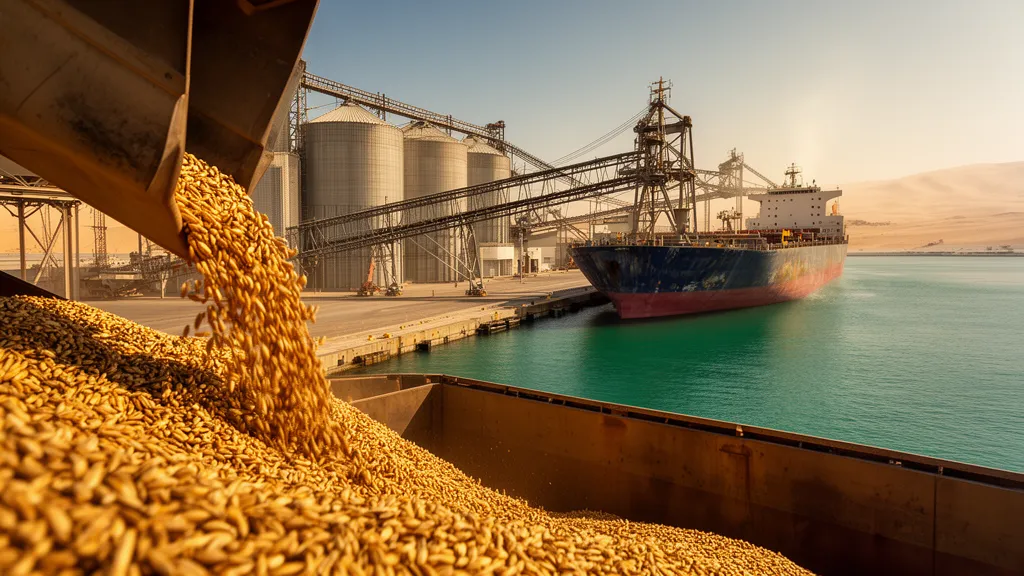
Jordan’s state grain buyer, MIT, has purchased 60,000 tonnes of random feed barley via an international tender held on December 17. The contract was awarded to Souflett at $270 per tonne C&F for shipment to Jordan in the first half of March 2026. The award covers 50% of the initially targeted 120,000-tonne volume, leaving scope for additional procurement in subsequent tenders.
Tender Results and Price Competitiveness
The tender attracted offers from several leading global grain houses, highlighting strong competition for access to the Middle Eastern feed barley market. Souflett submitted the most competitive bid and undercut the nearest rival by nearly $2 per tonne on a C&F basis.
| Bidder | Volume (tonnes) | Price (C&F, $/tonne) |
|---|---|---|
| Souflett (winner) | 60,000 | $270.00 |
| Bunge | n/a | $271.99 |
| Cargill | n/a | $272.50 |
| Olam | n/a | $274.79 |
| Dreyfus | n/a | $283.00 |
The spread between the lowest and highest offers reached approximately $13 per tonne, with Souflett securing business at the bottom of the range. This pricing structure signals that sellers were prepared to narrow margins to maintain volumes and defend market share.
Market Sentiment and Regional Implications
Market sentiment for feed barley remains neutral to slightly bearish. The combination of aggressive offers, a relatively tight bid range, and the partial tender fill suggests comfortable global supply conditions and firm buyer price discipline. Jordan’s decision to award only half of the targeted volume may reflect a strategy of staggered purchases to manage price risk and capture potential future discounts.
For Black Sea and other export origins, Jordan’s ongoing tender activity confirms steady demand from the Middle East. However, such competitive international pricing is likely to cap origin premiums and could pressure exporters to optimize logistics, hedging, and origination costs to remain in the money on future tenders.
Forward coverage into March 2026 provides Jordan with cost visibility in its feed sector, but also sets a reference price that other regional buyers may use in upcoming barley and feed grain negotiations.
Source: Market Data
Leave a Reply