
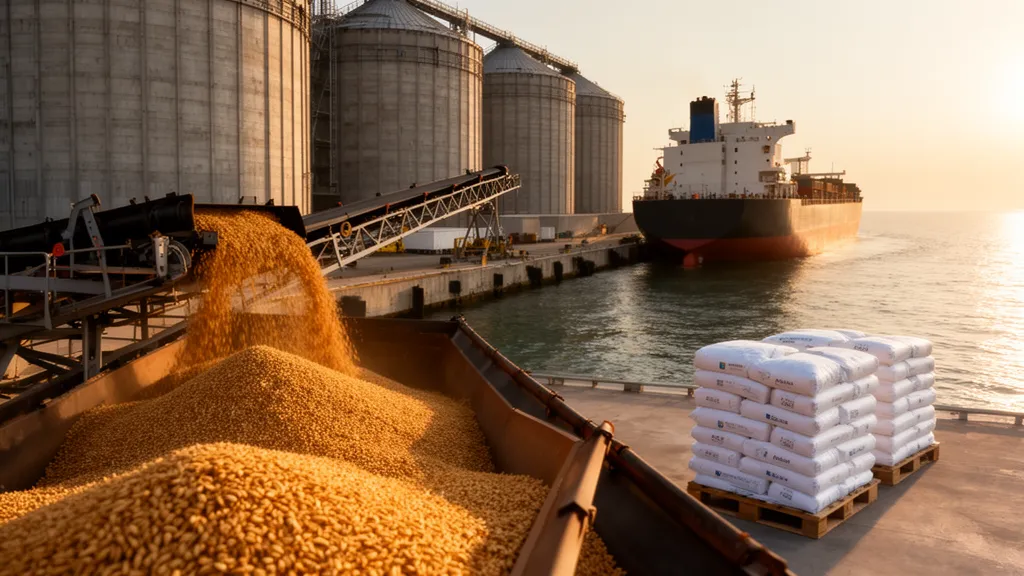
- Ukrainian wheat flour exports fell 11% year-on-year to 26,000 tons in the first five months of the 2025/26 marketing year.
- Key buyers such as Moldova, the Czech Republic, and Palestine have sharply reduced flour imports from Ukraine.
- Domestic flour production is down 8%, while full-season wheat processing is forecast 2% lower, freeing more wheat for export as a raw commodity.
- The shift from processed flour to raw wheat exports may add slight bearish pressure to FOB wheat prices and alter regional freight requirements.
Market Update: Ukrainian Wheat Flour Exports
Ukrainian wheat flour export activity has weakened in the opening months of the 2025/26 marketing year. From July to November, total wheat flour exports reached 26,000 tons, representing an 11% decline compared with the same period in 2024/25. November shipments alone totaled 5,400 tons, 7% below last year’s volume for the month.
The slowdown reflects softer demand from several traditional buyers in the region. Importers such as Moldova, the Czech Republic, and Palestine have all curtailed purchases so far this season, contributing to the overall decline in Ukrainian flour exports.
Key Destination Volumes
| Destination | Jul–Nov 2025/26 Volume (tons) | YoY Change |
|---|---|---|
| Moldova | 7,900 | -10% |
| Czech Republic | 4,700 | -23% |
| Palestine | 4,300 | -25% |
Domestic Flour Production and Processing
On the production side, Ukrainian mills manufactured 371,700 tons of flour between July and November, down 8% versus the corresponding period of the 2024/25 season. For the full 2025/26 marketing year, analysts forecast total wheat processing at 2.6 million tons, around 2% below last season’s level.
This weaker processing pace underscores reduced domestic and export demand for flour, prompting mills to operate below last year’s throughput and potentially leaving a larger share of the wheat crop available for export in unprocessed form.
Market and Logistics Implications
The downturn in flour exports and milling activity is broadly bearish for Ukraine’s milling sector but could translate into increased availability of raw wheat for international buyers. If domestic demand remains subdued, the additional exportable wheat supply may exert modest downward pressure on FOB wheat prices.
For logistics planners, a shift in trade flows from processed flour to bulk wheat cargoes may alter vessel deployment and freight demand. Bulk carriers serving grain terminals could see higher utilization, while demand for containerized or bagged flour shipments may ease. Market participants should monitor whether the reduced buying from regional partners is cyclical or indicative of a longer-term change in sourcing patterns.
Source: Market Data
Leave a Reply