
- EC pressure on Hungary: Brussels formally urges Hungary to lift its unilateral ban on Ukrainian agricultural imports, calling it unjustified and harmful to the single market.
- Safeguard tools in place: The updated EU-Ukraine DCFTA includes safeguard clauses that the EC says are sufficient to address any market disruption from increased Ukrainian imports.
- Market tone: Neutral to slightly bullish for Ukrainian exports as border bottlenecks persist, supporting Black Sea freight rates while diplomatic tensions continue without clear enforcement steps.
EU Policy Developments
The European Commission publicly challenged Hungary’s ban on Ukrainian agricultural imports during a May 26 briefing in Brussels. Thomas Rainier, EC spokesperson for enlargement, reiterated that member states applying unilateral trade restrictions should remove them immediately to avoid fragmenting the EU single market.
The EC argues Hungary’s measures are unjustified following the recent comprehensive update of the EU-Ukraine Deep and Comprehensive Free Trade Agreement (DCFTA). The Commission highlights that the updated DCFTA contains safeguard clauses that can be triggered if additional Ukrainian imports create serious difficulties for the EU as a whole or for specific member states.
Rainier emphasized that the Commission is focusing on explaining the protective guarantees within the updated DCFTA to all relevant member states. While diplomatic engagement is ongoing, the EC has not yet set out concrete enforcement actions against Hungary or other countries maintaining similar restrictions.
Market Impact and Logistics
Market Impact: Neutral to Slightly Bullish for Ukrainian Exports
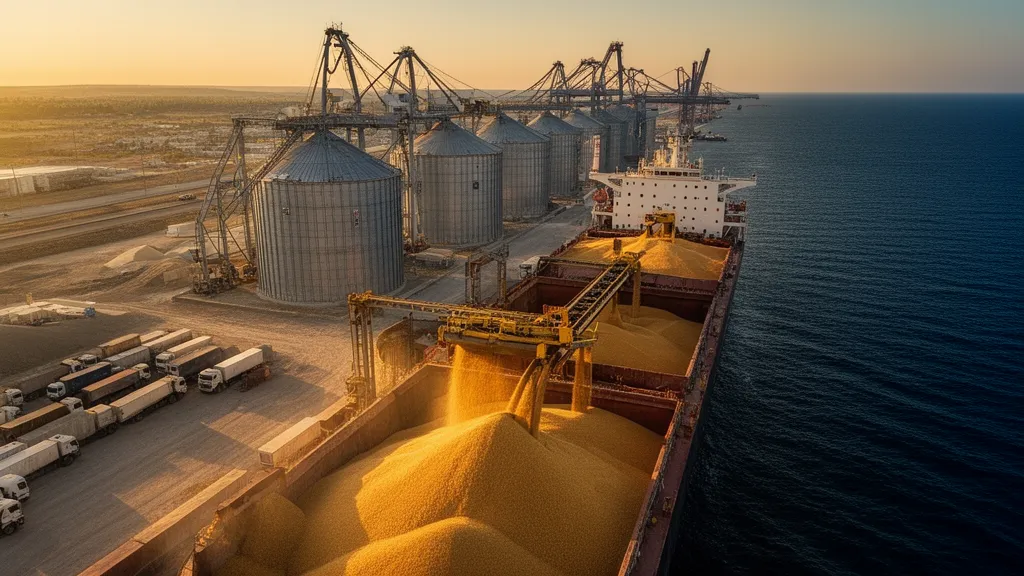
Hungary’s continued restrictions constrain Ukrainian grain flows through key Central European transit routes, limiting alternative land corridors beyond Black Sea ports. This maintains pressure on Ukrainian exporters to rely more heavily on maritime channels.
For Black Sea freight markets, prolonged border closures and transit bottlenecks support port utilization and can underpin freight rates if cargo volumes remain concentrated through seaborne routes. The absence of immediate EC enforcement reduces the likelihood of a rapid resolution, suggesting that current logistics patterns and pricing dynamics could persist in the near term.
Traders should track whether other EU member states sustain or roll back similar import restrictions despite Brussels’ opposition. The stance of these countries will influence the competitiveness of Ukrainian grain within EU markets, determine preferred routing between land and sea corridors, and shape basis levels and freight spreads across the region.
Source: Market Data
Leave a Reply