
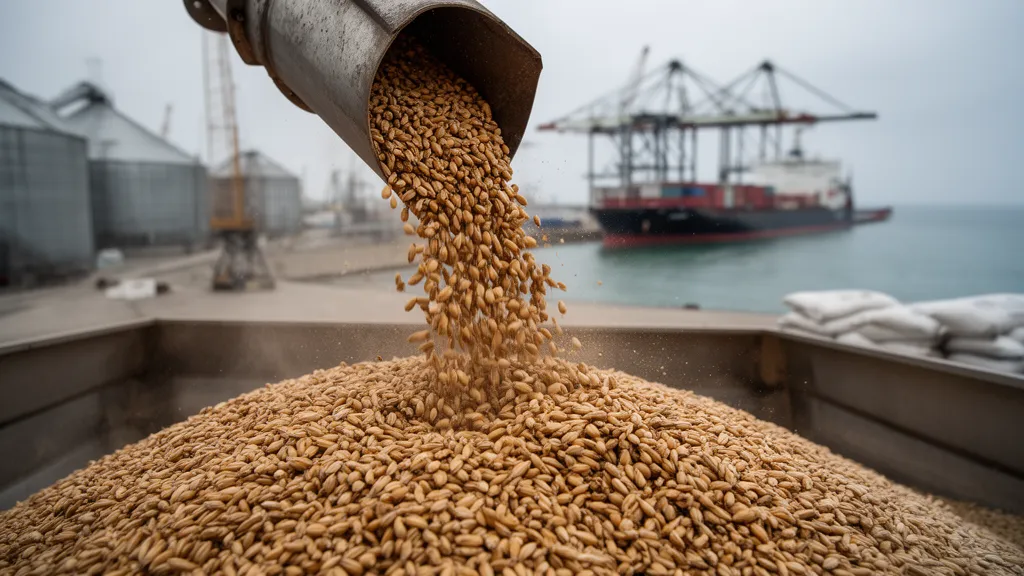
- Prices Stable: Ukrainian feed barley traded in a narrow UAH 9,100–9,900/t CPT range, with ports steady at USD 210–220/t CPT-port.
- Soft Demand: Weak domestic consumption and reduced trader interest are capping upside price potential.
- Supply Support: Seasonal tightening of grain availability is underpinning values and limiting downside risk.
- Outlook Neutral-to-Bearish: Market balance currently favors a neutral to slightly bearish bias unless demand recovers or supply tightens further.
Market Overview
The Ukrainian feed barley market remained largely range-bound last week, with prices showing limited volatility despite mixed underlying fundamentals. Domestic feed barley bids held between UAH 9,100–9,900/t CPT, with only isolated deals reportedly reaching as high as UAH 10,500/t CPT. At export ports, barley bids stayed steady in the USD 210–220/t CPT-port range, signaling stable sentiment from seaborne buyers.
Market participants faced competing forces. On one side, a reduction in purchasing activity from domestic consumers, together with subdued buying interest from traders, exerted downward pressure on values. On the other side, a seasonal tightening in available grain supply provided a counterbalancing, supportive influence, preventing any meaningful price correction.
Price Snapshot
| Market Segment | Price Range | Terms | Notes |
|---|---|---|---|
| Feed barley (domestic) | UAH 9,100–9,900/t | CPT | Isolated trades up to UAH 10,500/t CPT |
| Barley (export ports) | USD 210–220/t | CPT-port | Port bids remained stable week-on-week |
Market Analysis
The overall tone for Ukrainian barley is neutral to slightly bearish. Weakening demand from domestic consumers and traders limits the scope for further price gains in the short term. The lack of aggressive buying suggests that any rallies are likely to encounter selling interest relatively quickly.
However, the seasonal drawdown in grain availability is creating a de facto price floor. With fewer supplies coming to market, sellers are less inclined to concede substantial discounts, which is helping keep prices anchored within the current range. As the marketing year progresses, the balance between these opposing forces will determine whether the market breaks out of its present consolidation.
Participants should closely track signals of demand recovery—such as improved domestic feed usage or stronger export program—as well as any further tightening of supply that could squeeze availability. A notable shift in either factor could move prices decisively away from the prevailing range-bound pattern.
Source: Market Data
Leave a Reply