- Debt reduction: IMK cut its loan portfolio from $140 million (2014) to $18 million by end-2025 and targets $10 million by end-2026.
- Self-funded CAPEX: The company is pivoting from external borrowing to self-financing logistics and environmental projects.
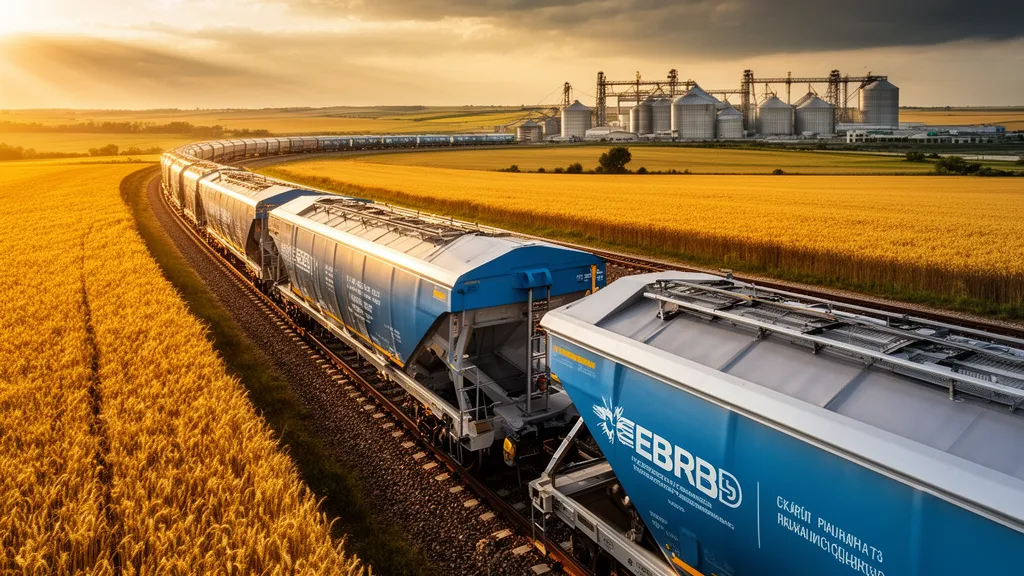
- Rail logistics focus: 75 EBRD-financed grain carriers, acquired in 2023, are currently used mainly in Ukraine’s domestic logistics network.
- Geopolitical impact: Continued constraints in international freight corridors keep alternative export routes and domestic logistics in focus.
IMK Agroholding Debt Reduction and Investment Strategy
IMK agroholding has made substantial progress in deleveraging its balance sheet, cutting its loan portfolio from $140 million in 2014 to $18 million by the end of 2025. Management plans to reduce debt further to $10 million by the end of 2026, contingent on a stable market environment. This trajectory highlights a deliberate shift toward a leaner capital structure and stronger financial resilience.
Alongside debt reduction, IMK is reorienting its financing model away from bank borrowing and toward self-funded capital expenditures. Priority areas include expansion and renewal of its railcar fleet and investments in environmental compliance, indicating a focus on long-term operational efficiency and regulatory alignment.
Logistics Investments and EBRD-Financed Railcars
In 2023, IMK secured an $11 million loan from the European Bank for Reconstruction and Development (EBRD) to purchase 75 grain carriers intended to support alternative export routes. While originally aimed at diversifying export logistics, these railcars are currently deployed mainly within Ukraine’s domestic logistics network, enhancing internal grain transportation capacity.
The emphasis on rail logistics underscores the strategic importance of reliable inland transport amid disruptions to traditional Black Sea export channels. By strengthening domestic rail capacity, IMK improves its ability to move grain to key internal hubs and border crossings, partially mitigating external shipping constraints.
Market and Regional Logistics Implications
IMK’s aggressive deleveraging and transition to self-funded investment signal improving financial stability among Ukrainian agroholdings, despite ongoing geopolitical risks. Lower leverage can reduce refinancing risk and borrowing costs over time, while self-financed projects provide greater flexibility in capital allocation.
The continued use of EBRD-financed grain carriers within domestic logistics rather than on international export corridors highlights persistent bottlenecks in cross-border freight flows. This dynamic may cap Ukraine’s effective export capacity and influence regional grain price differentials, freight rates, and the competitive positioning of Black Sea-origin grain in global markets.
| Metric | Value | Period / Note |
|---|---|---|
| Loan portfolio | $140 million | 2014 |
| Loan portfolio | $18 million | End-2025 |
| Target loan portfolio | $10 million | End-2026 (subject to market stability) |
| EBRD loan amount | $11 million | 2023 |
| Grain carriers acquired | 75 units | EBRD-financed, 2023 |
Source: Market Data
Leave a Reply