
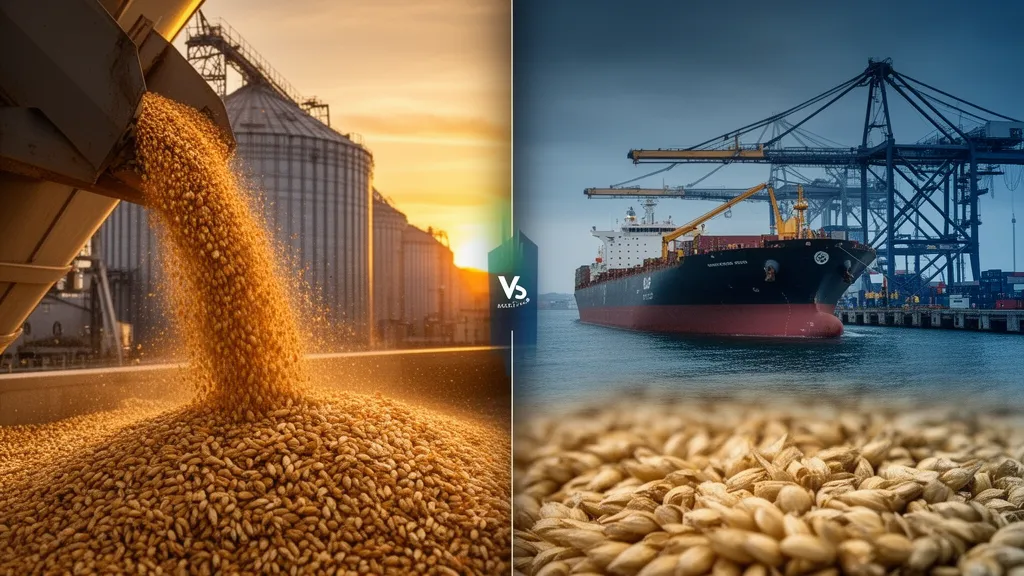
- Neutral for global prices: India authorizes 3 MMT of wheat and processed grain exports, but high offer levels limit export execution.
- Bearish for Black Sea competitors: Indian wheat’s $80/tonne premium over Argentine and cheaper Black Sea origins keeps India largely non-competitive.
- Supportive for Indian farmers: Policy aims to stabilize domestic prices and maintain farm profitability despite limited export demand.
- Limited global supply impact: Volumes unlikely to fully leave India, keeping actual additional export supply to a minimum.
India Wheat Export Authorization
On February 13, the Indian government authorized the export of 3 million tonnes of wheat and processed grain products. The allocation includes 2.5 million tonnes of wheat and 500,000 tonnes of processed grain products. In addition, 500,000 tonnes of sugar received export clearance for the current season.
Authorities framed the decision as a measure to stabilize domestic markets while ensuring financial profitability for local farmers. However, current price levels place Indian wheat at a significant premium to competing origins, limiting realistic export opportunities.
Price Competitiveness
| Origin | Commodity | Price (FOB) | Price Spread vs India |
|---|---|---|---|
| India | Wheat | $280/tonne | – |
| Argentina | Wheat | $200/tonne | $80/tonne discount |
Indian wheat is currently offered at around $280 per tonne FOB, versus approximately $200 per tonne FOB for Argentine wheat. This $80 per tonne premium places Indian origin outside the commercially viable range for most traditional importers, especially when freight and quality adjustments are considered.
Indian traders note that while the export authorization may improve sentiment in local physical markets, actual sales are expected to be limited. Importers can access more competitively priced supplies from Argentina and the Black Sea region, where Russian and Ukrainian wheat continues to trade well below Indian offers.
Impact on Black Sea Wheat
The move is assessed as neutral to slightly bearish for Black Sea wheat. In theory, a 3 MMT export window from India could add competitive supply, but the pronounced price disadvantage sharply curtails real export flows. As a result, Black Sea exporters maintain clear price leadership, and India’s authorized volume is likely to remain largely domestic inventory if buyers do not materialize.
With Russia and Ukraine still offering wheat at levels well below India, global buyers are expected to continue favoring Black Sea and South American origins. India’s decision is therefore more relevant for internal market balance and farmer incomes than for shifting the international wheat trade landscape.
Outlook
Unless Indian FOB prices adjust downward, the newly authorized 3 MMT of wheat and processed products will have limited impact on global physical flows. Market participants will monitor any subsequent policy changes, price discounts, or tender activity that could unlock a portion of this volume, but for now the development mainly reinforces Black Sea and Argentine origin competitiveness.
Source: Market Data
Leave a Reply