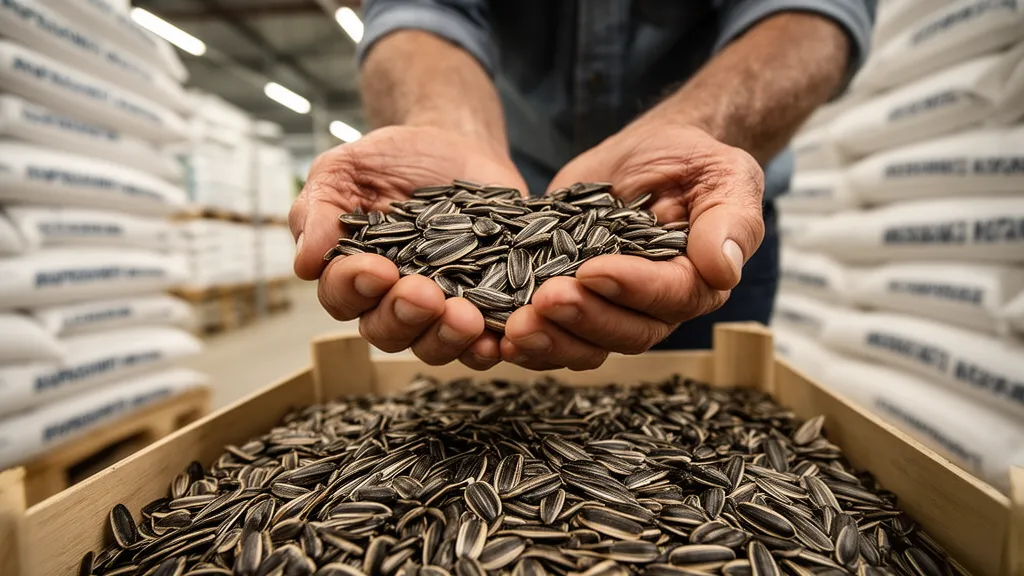
- Sunflower seeds: Russia has secured 42.9 thousand tons for the 2026 sowing campaign, covering 97% of domestic demand.
- Overall seed self-sufficiency: Domestic seed share in the agro-industrial complex has risen to 69.3% in 2024, up from around 60% in 2022.
- Export footprint: Russian-bred seeds are now supplied to 35 countries, reflecting growing competitiveness in regional seed markets.
- Policy momentum: The government targets a 75% domestic seed share by 2030 under the Food Security Doctrine.
- Market impact: The development is assessed as neutral to slightly bullish for Russian sunflower seed production capacity in the medium term.
Russia Nears Full Sunflower Seed Self-Sufficiency
The National Seed Alliance reports that Russian agricultural producers have nearly finalized seed procurement for the 2026 planting season. Sunflower seed availability stands at 42.9 thousand tons, covering 97% of total domestic demand and significantly reducing reliance on imported genetics.
This places sunflower seeds among the strongest-performing crops in terms of domestic coverage. Soybean seed requirements are now fully met by Russian producers (100% self-sufficiency), while corn has reached 85% coverage, with 68 thousand tons available out of 80 thousand tons required.
Seed Market Structure and Domestic Breeding Progress
Winter wheat varieties for Russian fields are now almost entirely sourced from domestic breeding programs, although foreign genetics still retain a presence in spring wheat segments, particularly across European Russia. The State Register adds around 500 new domestic varieties and hybrids each year, tailored to different soil and climatic zones throughout the Russian Federation.
According to Ministry of Agriculture data, domestic seed market share has risen from 60.3% in 2022 to 67.6% in 2024, reaching 69.3% in the latest reporting period. These gains move Russia closer to the government’s Food Security Doctrine goal of achieving a 75% domestic seed share by 2030.
Key Seed Supply Metrics
| Indicator | Value | Period / Note |
|---|---|---|
| Sunflower seeds secured | 42.9 thousand tons | For 2026 sowing campaign |
| Sunflower seed demand coverage | 97% | Domestic self-sufficiency for 2026 season |
| Corn seeds secured | 68 thousand tons | Out of 80 thousand tons required |
| Corn seed self-sufficiency | 85% | For 2026 season |
| Soybean seed self-sufficiency | 100% | For 2026 season |
| Domestic seed market share | 60.3% | 2022 |
| Domestic seed market share | 67.6% | 2024 |
| Domestic seed share, latest period | 69.3% | Most recent reporting |
| Government target for domestic seed share | 75% | By 2030 |
| Export destinations for Russian-bred seeds | 35 countries | Current reach |
Market Impact and Regional Implications
The 97% self-sufficiency rate for sunflower seeds strengthens Russia’s position as a major Black Sea oilseed producer. Greater reliance on domestic genetics enhances supply chain resilience, mitigates external sourcing risks, and can support lower input costs for farmers, improving export competitiveness for sunflower oil and meal.
Russia’s expansion to 35 export destinations for domestically bred seeds underscores its growing role as a regional supplier of planting material. As Russian varieties gain wider acceptance, they may influence variety choices in neighboring Black Sea markets, particularly where agro-climatic conditions are similar.
Overall, the current developments are assessed as neutral to slightly bullish for Russian sunflower seed production capacity in the medium term, with upside potential tied to further gains in domestic breeding and continued progress toward the 75% seed self-sufficiency target.
Source: Market Data
Leave a Reply