- Bullish: Higher-yielding winter rapeseed expansion in Bryansk could lift Russia’s overall 2026 rapeseed output and export availability.
- Bearish: Larger sown area and mostly satisfactory crop conditions may pressure regional rapeseed prices if winterkill remains limited.
- Structural: Climate change and improved winter-hardy genetics are pushing rapeseed cultivation northward, diversifying Black Sea supply.
- Agronomic: Winter rapeseed’s 50% yield advantage over spring varieties and rotational benefits with winter wheat support ongoing acreage growth.
Bryansk Winter Rapeseed Crop Overview
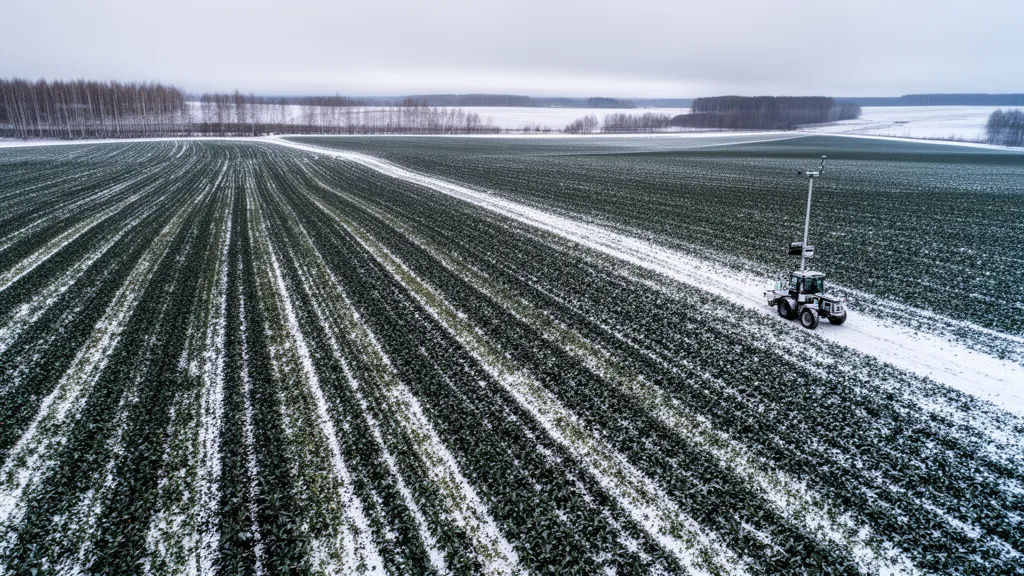
The Bryansk region has sown 90,000 hectares of winter rapeseed for the 2026 harvest, marking a notable expansion in this non-traditional Black Sea production area. Field surveys by the Bryansk branch of Rosselkhoztsentr as of January 22, 2026, show that 25,000 hectares are in good condition and 64,000 hectares are in satisfactory condition, with only minor losses observed to date.
Weather-related risks remain in focus during the overwintering period. Ice crust formation has been recorded up to 1.5 cm in some fields, while snow cover has reached as much as 40 cm. These conditions require ongoing monitoring for potential winterkill, but current assessments indicate that the majority of the crop is overwintering without major damage.
Agronomic and Economic Drivers
Farmers in Bryansk have increased winter rapeseed plantings due to its strong agronomic and economic profile. Yields typically exceed those of spring rapeseed by around 50%, significantly improving output per hectare. The crop is also valued as an excellent predecessor for winter wheat in rotation, supporting soil structure and overall farm productivity.
From a cost and risk perspective, winter rapeseed generally requires fewer insecticide applications than alternative oilseeds, which can lower input costs and environmental load. Combined with firm demand and its status as a high-margin oilseed, these factors are encouraging growers to commit more land to winter varieties each season.
Market Implications and Price Outlook
The continued expansion of winter rapeseed in Bryansk underscores Russia’s growing role in global rapeseed and canola supply beyond traditional Black Sea origins. If the current 90,000 hectares progress through spring without significant winterkill, the resulting additional tonnage could materially boost Russia’s 2026 rapeseed production.
For market participants, expanding supply from northern regions introduces a potential bearish element for regional rapeseed and canola prices, particularly if other major exporters also see favorable harvests. However, any deterioration linked to ice crust damage or late-winter cold snaps could quickly tighten the balance sheet and lend support to prices. Traders and crushers should track upcoming condition updates and spring stand counts to refine yield expectations and hedging strategies.
| Indicator | Value |
|---|---|
| Total winter rapeseed area (Bryansk) | 90,000 ha |
| Area in good condition | 25,000 ha (28%) |
| Area in satisfactory condition | 64,000 ha (71%) |
| Recorded ice crust thickness | Up to 1.5 cm |
| Maximum snow cover depth | Up to 40 cm |
| Yield advantage vs. spring rapeseed | ≈ +50% |
Source: Market Data
Leave a Reply