- Program scale-up: ADM and Bayer will expand their soybean sustainability program in India to 100,000 farmers and 200,000 hectares over the next three years.
- Four-fold farmer growth: Farmer participation is set to increase four-fold from 25,000 since the program’s 2022 launch.
- Near six-fold area expansion: Cultivation area will grow from 35,000 to 200,000 hectares across key soybean-growing districts in Maharashtra.
- Wider geographic reach: Coverage extends from three to seven districts, adding Nanded, Parbhani, Hingoli, and Solapur.
- Neutral Black Sea impact: The move is largely neutral for Black Sea soybean markets, with only marginal long-term implications via global sustainability trends.
ADM and Bayer Extend India Soybean Sustainability Program
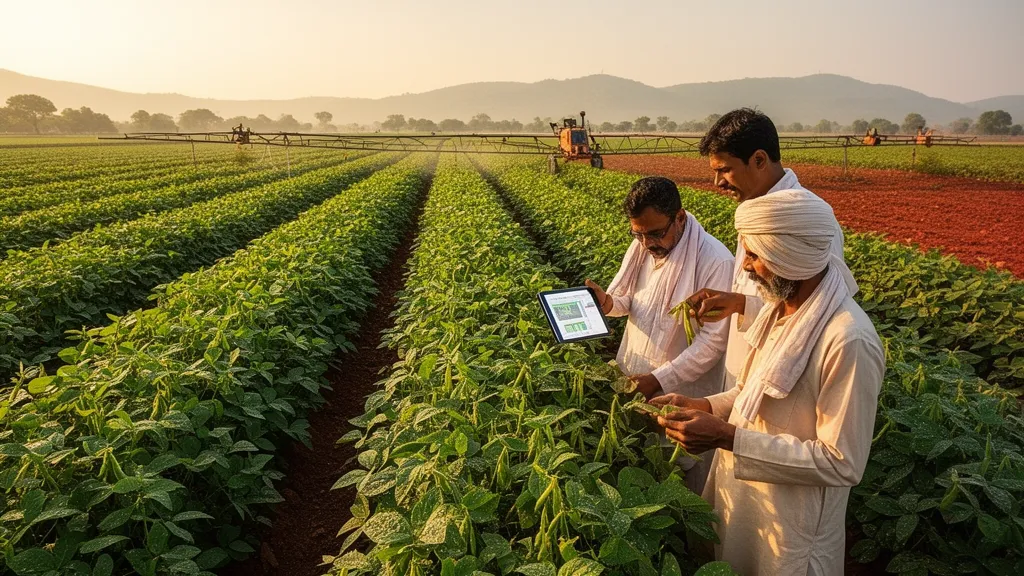
ADM and Bayer have extended their joint soybean sustainability program in India for an additional three years, following a successful initial phase launched in 2022. The initiative aims to significantly scale adoption of sustainable practices among soybean growers while boosting yields and long-term productivity.
Program Scale and Geographic Expansion
The renewed partnership will expand the program’s reach from 25,000 to 100,000 farmers and increase the covered soybean cultivation area from 35,000 to 200,000 hectares. This represents a four-fold jump in farmer participation and nearly a six-fold expansion in cultivated land under the program.
Geographically, the initiative will broaden its footprint within Maharashtra, one of India’s key soybean-producing states. The original focus districts of Latur, Dharas, and Beed will be joined by Nanded, Parbhani, Hingoli, and Solapur, taking total coverage to seven districts.
Sustainability Focus and Training Pillars
During the initial three-year phase, ADM and Bayer reported achieving their core sustainability targets, built around five main pillars: production optimization, spray programs, program monitoring, crop management, and post-harvest pest management expertise.
The extended program will maintain these same training protocols and sustainable farming practices, with a focus on enhancing resource efficiency, improving pest and disease control, and strengthening post-harvest handling to reduce losses and preserve crop quality.
Market Impact
Impact on Indian soybean balance: Over the medium to long term, improved yields and better agronomic practices could modestly strengthen India’s domestic soybean supply, potentially easing import needs at the margin. However, India’s import flows are more closely tied to the Americas than to the Black Sea region.
Implications for Black Sea markets: The direct impact on Black Sea soybean trade remains neutral. Nonetheless, the program underscores a global push toward sustainability, data-driven agronomy, and quality-focused supply chains—factors that may gradually influence production standards in Black Sea origins as exporters seek to remain competitive in premium and sustainability-conscious markets.
Source: Market Data
Leave a Reply