- Kazakhstan blocked a 14.3-ton shipment of sunflower seeds contaminated with Phomopsis helianthus at the border.
- The cargo was imported from Belarus with the United States declared as the country of origin.
- Administrative proceedings have been initiated against the shipment owner, with the case sent to court.
- Stricter phytosanitary controls in Kazakhstan may tighten regional sunflower seed flows and support quality premiums.
Kazakhstan Blocks Contaminated Sunflower Seed Shipment
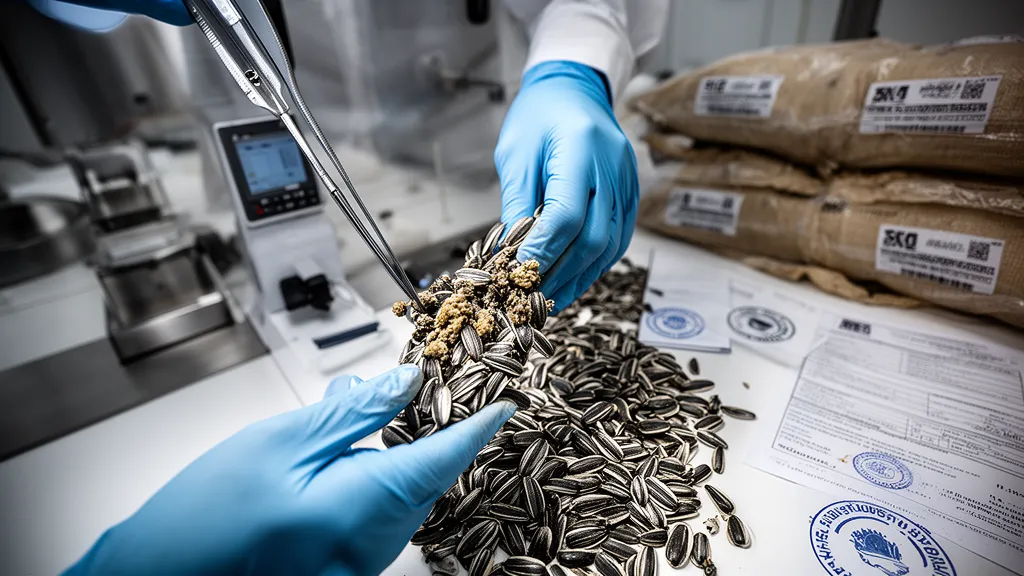
Kazakhstan’s Ministry of Agriculture reported that state quarantine phytosanitary inspectors intercepted a 14.3-ton shipment of sunflower seeds that tested positive for the fungal disease Phomopsis helianthus. The batch was imported from the Republic of Belarus, with the United States indicated as the country of origin, and was stopped during routine border inspection before entering the domestic market.
Phomopsis helianthus is a quarantine-significant fungal pathogen known to reduce yields and deteriorate the quality of sunflower crops. In response to the detection, Kazakhstan has initiated administrative proceedings against the owner of the quarantined product, and case materials have been submitted to court for further action.
The Ministry underscored its ongoing efforts to reinforce phytosanitary controls at border checkpoints. These strengthened measures are aimed at preventing the introduction and spread of contaminated agricultural products into Kazakhstan’s territory, thereby protecting domestic crop production and market stability.
Market Impact and Trade Flows
The interception is neutral to slightly bullish for Black Sea sunflower seed quality premiums. Heightened phytosanitary scrutiny in Kazakhstan may introduce short-term friction for regional supply chains, particularly for flows routed via Belarus and involving transshipped U.S.-origin product. At the same time, the move reinforces market confidence in quality standards and regulatory oversight.
Traders and logistics planners should account for tighter import controls when structuring sunflower seed routes through Belarus into Kazakhstan. The U.S. origin of the blocked shipment raises additional questions about certification and documentation for transshipped commodities. In this environment, quality-certified Black Sea sunflower seed origins may gain a competitive edge as buyers prioritize regulatory clarity and lower phytosanitary risk.
| Item | Quantity | Status |
|---|---|---|
| Sunflower seed shipment | 14.3 tons | Blocked / Under administrative proceedings |
Source: Market Data
Leave a Reply