
- Bearish Argentina: Second consecutive Argentine sunflower seed shipment to Bulgaria rejected over pesticide residues, with malathion about three times above EU limits.
- Neutral Food Supply: All non-compliant cargo is being diverted to biofuel use, preventing contaminated seeds and by-products from entering EU food chains.
- Supportive for Black Sea Seeds: Quality concerns on 14 scheduled Argentine vessels may shift demand toward compliant Black Sea-origin sunflower seeds.
Argentine Sunflower Seed Quality Rejections at Varna
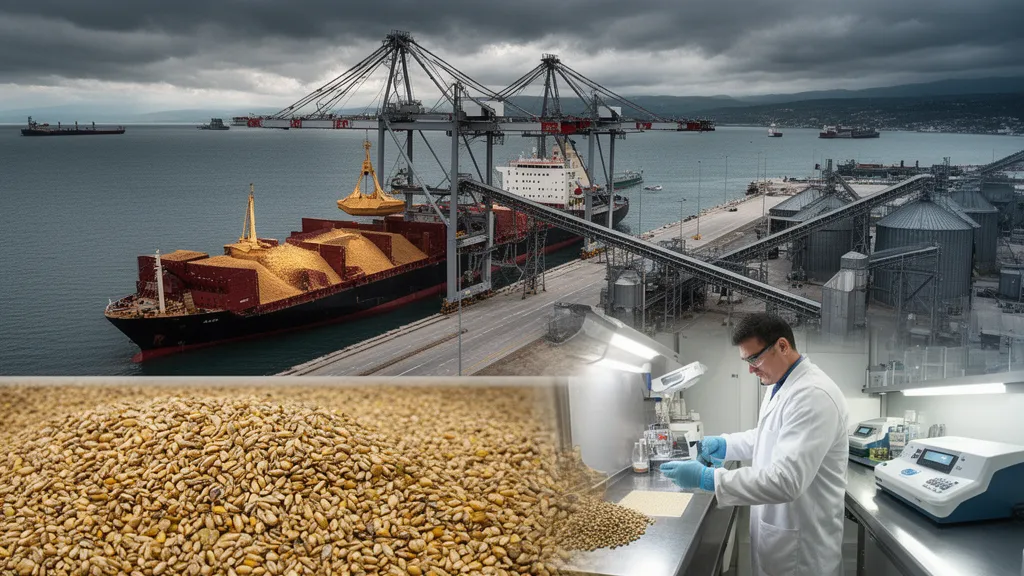
Bulgarian laboratory testing on a second vessel of Argentine sunflower seeds arriving at the port of Varna has again identified excessive pesticide residues, leading to another rejection under EU food safety standards. The analysis detected elevated levels of three active substances: pirimiphos-methyl, deltamethrin, and malathion. Of particular concern, malathion concentrations were approximately three times higher than the EU maximum residue limits, while deltamethrin, though lower than in the first rejected shipment, still remained above permissible thresholds.
In response, Bulgarian authorities have ordered that the entire cargo be channeled exclusively into biofuel production. Neither sunflower oil nor meal derived from this shipment will be allowed to enter Bulgaria’s or the wider EU’s food supply chains, effectively removing the consignment from food-grade markets. This follows a similar outcome for the first Argentine cargo that arrived at Varna in early March, which also failed inspections due to excessive malathion and deltamethrin residues; that shipment was reportedly destined for industrial processing and re-export to third countries.
Logistics and Shipment Overview
According to trade sources, a total of 14 vessels carrying Argentine sunflower seeds are currently linked to Bulgaria. Two vessels have already arrived at Varna and faced quality-related restrictions, six more are loaded and en route, and an additional six are scheduled to be loaded by the end of March. This pipeline underscores the potential for further non-compliant arrivals if quality control issues at origin are not swiftly addressed.
| Shipment Status | Number of Vessels |
|---|---|
| Already arrived at Varna | 2 |
| Loaded and en route | 6 |
| Scheduled for loading by end-March | 6 |
| Total Argentine vessels to Bulgaria | 14 |
Market Impact and Price Sentiment
The repeated quality failures highlight structural gaps in Argentine sunflower seed quality control for EU-compliant markets. With 12 additional vessels still in transit or awaiting loading, Bulgarian importers face elevated risk that more shipments could breach EU pesticide limits, potentially leading to increased inspection intensity, delivery delays, and renegotiation of contract terms.
From a price perspective, the impact for Argentine sunflower seeds is neutral to bearish. Concerns over compliance may pressure Argentine premiums and redirect volumes toward destinations with less stringent residue requirements or non-food industrial uses such as biofuel. For Black Sea crushers and regional suppliers of compliant sunflower seeds, the disruption could offer some demand support, particularly if buyers seek to replace questionable Argentine origins. However, because rejected cargoes are being diverted into biofuel channels rather than removed entirely from industrial use, the immediate tightening in food-grade supply is limited.
Source: Market Data
Leave a Reply