
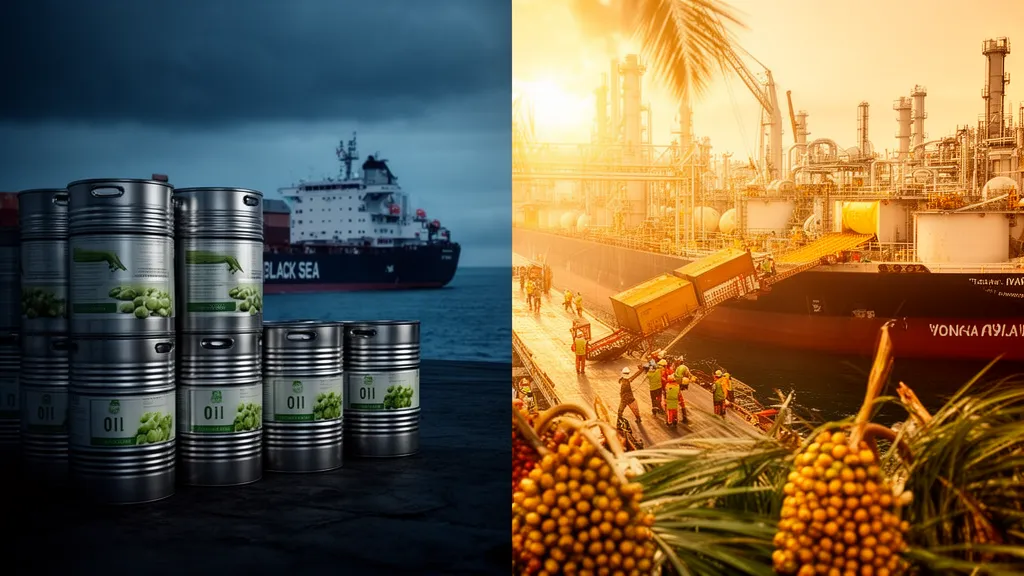
- Bearish soybean oil: India has canceled over 130,000 tonnes of soybean oil imports since December, reducing near-term demand for Black Sea and South American supplies.
- Bullish palm oil: The widest soybean oil–palm oil price spread since 2023 is driving Indian buyers to aggressively substitute palm oil for higher-priced soft oils.
- Bearish Black Sea exports: The 25,000-tonne Russian soybean oil cancellation underscores downside risk for Black Sea crushing margins and export programs.
India Soybean Oil Import Cancellations
Indian buyers have sharply reduced soybean oil import commitments as price-sensitive refiners pivot toward cheaper palm oil, widening the demand gap for soft oils. Recent actions by Patanjali Foods Ltd. and other importers highlight the scale of this adjustment.
| Origin | Volume Canceled (tonnes) | Delivery Window | Notes |
|---|---|---|---|
| Russia | 25,000 | Late March – Early April | Patanjali Foods cancellations |
| South America (mixed) | 6,000–8,000 | April – July | Patanjali Foods cancellations |
| South America (prior week) | ~70,000 | Not specified | Additional trader cancellations |
| Unspecified (January) | ≥35,000 | January | Driven by rupee depreciation |
| Argentina | >100,000 | December 2025 | Canceled or postponed |
| Total soybean oil cancellations since Dec | >130,000 | Dec 2025 – Recent | Accumulated across origins |
Market Update
Indian soybean oil buyers have accelerated cancellations as the price spread versus palm oil reaches the widest level since 2023, making palm oil the preferred option for refiners and food manufacturers. Patanjali Foods Ltd., among the country’s largest soybean oil buyers, has scrapped 25,000 tonnes of Russian-origin soybean oil scheduled for late March to early April arrival, alongside a further 6,000–8,000 tonnes from South American origins with April–July delivery windows.
These actions follow a wave of earlier cancellations. Around 70,000 tonnes of South American soybean oil shipments were canceled a week earlier, while at least 35,000 tonnes were rejected in January as rupee weakness increased import costs. In December 2025, Indian buyers either canceled or postponed more than 100,000 tonnes of Argentine soybean oil. The cumulative pullback since December now exceeds 130,000 tonnes, underscoring a decisive shift in India’s vegetable oil procurement strategy in favor of more economical palm oil.
Market Impact: Bearish for Black Sea Soybean Oil Exports
The cancellations are particularly negative for Russian and broader Black Sea soybean oil exporters, for whom India has been a critical demand outlet. The loss of 25,000 tonnes of Russian shipments will pressure export programs, forcing traders either to find alternative destinations or to discount aggressively to re-attract Indian interest.
With Indian refiners demonstrating strong price sensitivity and switching volumes into palm oil, Black Sea soybean oil faces heightened competition from both palm and rival soft oils. This dynamic risks squeezing crushing margins in the region and could ultimately curb soybean crush demand if export channels remain constrained. Traders should track whether displaced Russian and South American volumes are re-marketed into other Asian or Middle Eastern markets, or whether origin sellers respond with price cuts to defend market share.
Source: Market Data
Leave a Reply