
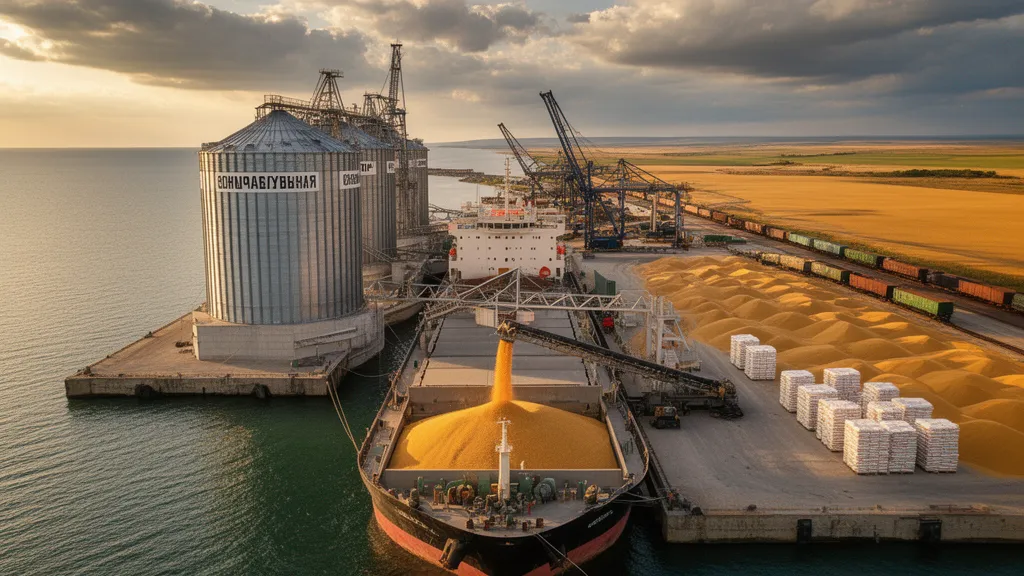
- Bullish: Russia’s 30% year-over-year soybean harvest increase to 9 million tonnes and its new status as a net soybean exporter boost regional availability of soy and meal, supporting more competitive Black Sea export offers.
- Bearish: India’s 54% decline in soybean meal exports and higher meal prices tighten near-term supply for key importers, but may accelerate demand reallocation toward Black Sea origins, pressuring regional protein meal prices longer term.
India Soybean & Rapeseed Meal Export Contraction
India’s soybean meal exports dropped to 132,000 tonnes in January 2026 from 286,000 tonnes a year earlier, a 54% year-on-year decline, as processors cut runs and export prices at ports rose around 25% from December 2025. The European Union, Nepal, and Kenya remained core destinations, with Kenya sourcing about 80% of its soybean meal requirements from India in 2025. Tight domestic supplies and reduced processing also drove Indian rapeseed meal shipments to a multi-year low of 65,000 tonnes in January 2026, down from 132,000 tonnes in January 2025.
Shipments of rapeseed meal to China slowed sharply to roughly 30,000 tonnes per month in December–January from 60,000–103,000 tonnes per month during June–October 2025, reflecting weaker export availability and firmer prices. The combined slowdown in soybean and rapeseed meal exports is already reshaping trade flows for protein meals into the EU, Africa, and Asian markets that traditionally rely on Indian supply.
Russia’s Soybean Export Milestone and Regional Expansion
Russia became a net soybean exporter for the first time in 2025, shipping about 750,000 tonnes while importing roughly 500,000 tonnes, underpinned by a record 9 million tonne soybean harvest—up 30% year-on-year. The larger crop enabled full utilization of domestic crushing capacity and created an exportable surplus directed primarily to China, Belarus, Kazakhstan, and other regional buyers. This marks a structural shift in Russia’s role in regional oilseed and protein meal markets.
Altai Krai has emerged as a key export hub, contributing 133,000 tonnes in 2025 or 17.7% of total Russian soybean exports, up 36% from under 98,000 tonnes in 2024. In January 2026 alone, the region shipped 17,100 tonnes versus 10,900 tonnes a year earlier, a 57% year-on-year increase, with Kazakhstan, Belarus, and Kyrgyzstan as main destinations. Improved relative profitability versus traditional grains is incentivizing continued expansion of soybean acreage, particularly across Siberian regions.
Price and Volume Dynamics
Indian export prices for soybean and rapeseed meals have firmed as domestic inventories tightened and processing slowed. This is curbing competitiveness in price-sensitive markets while simultaneously creating room for alternative suppliers, notably from the Black Sea region, to expand their footprint in key importing countries.
| Commodity / Metric | Period | Volume / Price | Year-on-Year Change |
|---|---|---|---|
| India Soybean Meal Exports | Jan 2026 | 132,000 tonnes | -54% vs 286,000 tonnes (Jan 2025) |
| India Soybean Meal Export Prices (Ports) | From Dec 2025 | +25% (approx.) | Price increase vs prior levels |
| India Rapeseed Meal Exports | Jan 2026 | 65,000 tonnes | -51% vs 132,000 tonnes (Jan 2025) |
| Rapeseed Meal Exports to China | Dec 2025–Jan 2026 | ~30,000 tonnes/month | Down from 60,000–103,000 tonnes/month (Jun–Oct 2025) |
| Rapeseed Meal Price | Jan 2026 | $248/tonne | Up from $195–$217/tonne (Mar–Dec 2025) |
| Russia Soybean Harvest | 2025 | ~9 million tonnes | +30% year-on-year |
| Russia Soybean Exports | 2025 | ~750,000 tonnes | Surpassed imports of ~500,000 tonnes |
| Altai Krai Soybean Exports | 2025 | 133,000 tonnes | +36% vs <98,000 tonnes (2024) |
| Altai Krai Soybean Exports | Jan 2026 | 17,100 tonnes | +57% vs 10,900 tonnes (Jan 2025) |
Market Implications for Black Sea Protein Meals
The combined effect of India’s shrinking exportable surplus and Russia’s structural expansion in soybeans is neutral to slightly bearish for Black Sea protein meal markets. Supply gaps left by India in the EU and African import programs could be partially filled by Black Sea rapeseed meal, improving utilization and flows from the region. At the same time, Russia’s status as a net soybean exporter, backed by higher domestic crushing, points to rising availability of soybean meal in Black Sea export corridors, which may cap price upside as processors seek outlets for growing production.
Source: Market Data
Leave a Reply