
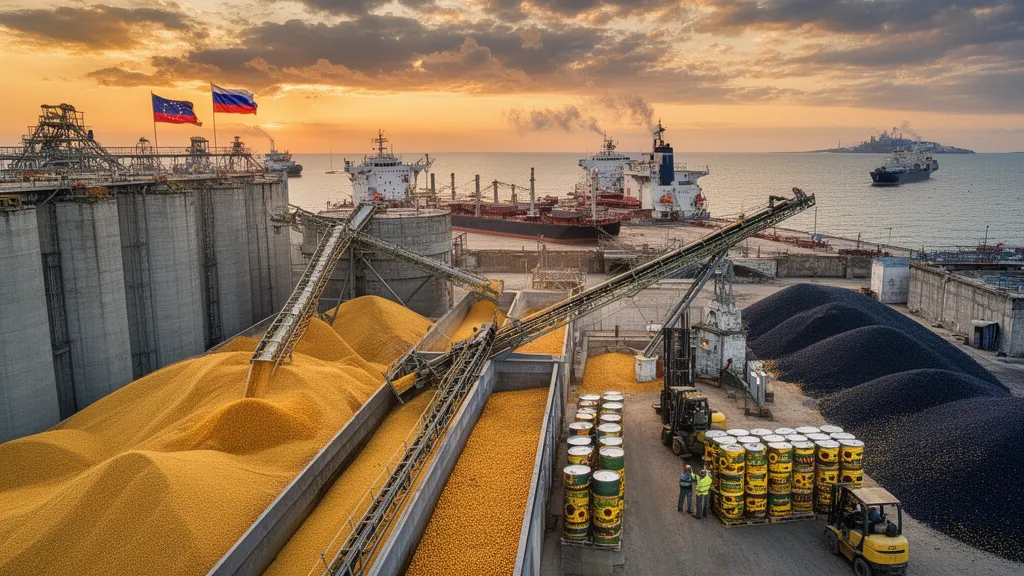
- Global wheat: Prices advance on US weather risks and a weak euro boosting EU export competitiveness.
- Global corn: Prices retreat on high inventories despite expectations of reduced US sowing area.
- Oilseeds exports: Soybeans and Russian sunflower oil strengthen on processing demand and anticipated Chinese buying.
- Domestic Russia: Rapeseed jumps 2.0% and sunflowers inch higher, while soybeans edge lower on regional corrections.
- Outlook: Neutral to slightly bullish for oilseed processors; cautious stance advised for wheat exporters amid stronger EU competition.
Global Grain and Oilseed Markets
Global wheat prices are moving higher as adverse weather risks in the United States raise supply concerns, while a weaker euro is enhancing the export competitiveness of European wheat on international markets. This currency-driven advantage is supporting EU wheat shipments into key importing regions, potentially intensifying competition for Black Sea origins.
Corn prices, by contrast, are under moderate pressure. FOB Argentina values declined 0.7%, and FOB USA yellow corn (class 3) fell 0.4%. Despite expectations of a reduced US sowing area, persistently high global inventories are weighing on prices and limiting any sustained recovery in international corn markets.
In oilseeds, soybeans strengthened on external markets, with FOB Brazil rising 1.4%. The gains are driven by active US processing margins and expectations of continued Chinese import demand. However, forecasts for an expanded US soybean planting area are capping further upside. Rapeseed is tracking soybean and vegetable oil strength, although Canadian FOB rapeseed prices dropped 2.2%, highlighting regional divergence.
Sunflower fundamentals remain mixed. French sunflower prices slipped 0.6% (FOB France), while Russian sunflower oil (FOB) increased by 0.6%, underscoring improving crush margins for Russian processors as product prices outpace raw seed movements in some segments.
| Commodity | Location / Basis | Change |
|---|---|---|
| Wheat | Global (EU competitiveness boosted by weak euro) | Up (exact % not specified) |
| Corn | FOB Argentina | -0.7% |
| Corn (Yellow, Class 3) | FOB USA | -0.4% |
| Soybeans | FOB Brazil | +1.4% |
| Rapeseed | FOB Canada | -2.2% |
| Sunflower | FOB France | -0.6% |
| Sunflower Oil | FOB Russia | +0.6% |
Domestic Russian Market
Domestic Russian grain and oilseed prices were relatively stable over the period, with modest moves driven largely by regional imbalances. Soybeans edged down 0.2% overall, as strengthening in Central regions was more than offset by price corrections in the South and Volga federal districts. This divergence reflects localized supply pressures and demand variability across processing hubs.
Rapeseed recorded the strongest domestic gain, rising 2.0%, mainly on firmness in Central regions. The increase points to tightening regional availability and stronger crusher demand, which may encourage farmer selling where on-farm stocks remain. Sunflower seed prices rose by 0.3% on average, supported by local increases in Central Russia and parts of the South, although declines were registered in Stavropol, Volgograd, Saratov, and Samara regions.
| Commodity | Market | Change |
|---|---|---|
| Soybeans | Domestic Russia | -0.2% |
| Rapeseed | Domestic Russia | +2.0% |
| Sunflower Seed | Domestic Russia | +0.3% |
| Sunflower Oil | FOB Russia | +0.6% |
Strategic Market Interpretation
The divergence between global benchmarks and domestic Black Sea pricing is creating tactical openings for regional traders and processors. Rising Russian sunflower oil export prices, combined with stable-to-slightly lower domestic oilseed costs in some areas, point to improving crush margins. At the same time, the 2.0% jump in domestic rapeseed suggests tightening availability, which could lend further support to farmgate prices and accelerate forward sales.
For wheat, euro weakness is enhancing the export competitiveness of European origins, potentially crowding out some Black Sea volumes in overlapping destinations. This backdrop argues for watchful positioning by Russian wheat exporters, who may face more aggressive competition on price and freight in key importing countries. Overall, the setup is neutral to slightly bullish for oilseed processors, while grain exporters should monitor currency moves, freight spreads, and competing origin offers closely.
Source: Market Data
Leave a Reply