
- Bullish: Ukraine’s 10% export duty is driving an 80% year-on-year surge in rapeseed crushing and boosting foreign exchange earnings from higher-value oil and meal exports.
- Bearish: Reduced availability of raw rapeseed and soybeans for export may tighten supplies for traditional seed-importing markets and pressure raw seed trade flows.
Policy-Driven Shift in Ukraine’s Oilseed Market
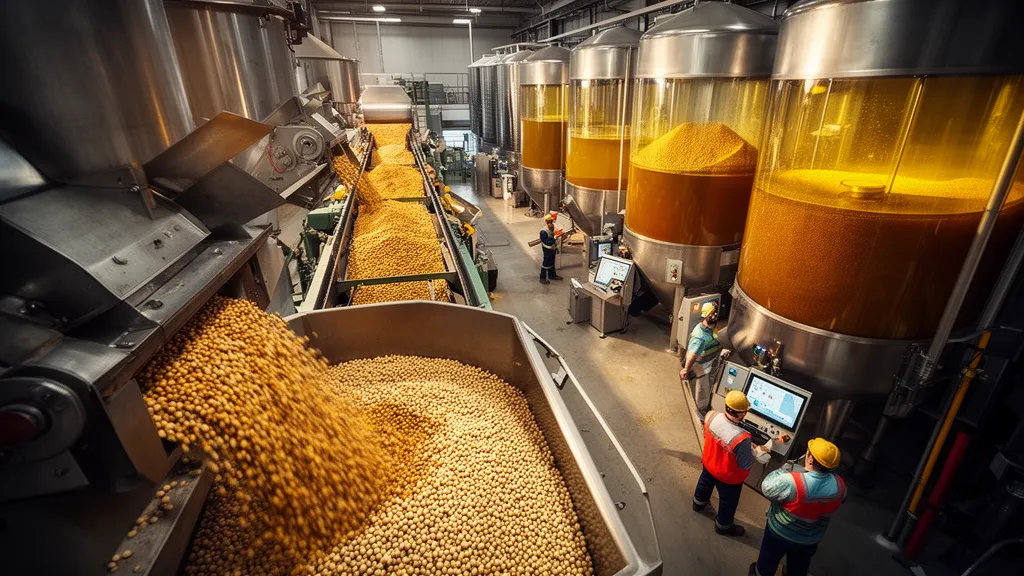
Ukraine’s recently introduced 10% export duty on rapeseeds and soybeans is already reshaping trade flows in its first marketing season. The measure has clearly incentivized domestic crushing, redirecting volumes from raw seed exports into higher-value processed products such as oil and meal.
According to Dmytro Kisilevsky, Deputy Chairman of the Verkhovna Rada Committee on Economic Development and co-author of the legislation, rapeseed processing from July to December 2025 increased 1.8 times year-on-year. This jump in domestic activity has translated into stronger export and earnings performance across the product chain.
Rapeseed and Soybean Processing Performance
| Indicator | Period | Change vs. Previous Season |
|---|---|---|
| Rapeseed processing volume | Jul–Dec 2025 | 1.8x |
| Rapeseed oil exports | Jul–Dec 2025 | 1.8x |
| Rapeseed oil FX earnings | Jul–Dec 2025 | 2.2x |
| Rapeseed meal production | Jul–Dec 2025 | 1.8x |
| Rapeseed meal exports | Jul–Dec 2025 | 1.7x |
| Rapeseed meal FX earnings | Jul–Dec 2025 | 1.4x |
| Soybean oil production | Sep–Dec 2025 | +22.4% |
| Soybean oil exports | Sep–Dec 2025 | +23.3% |
| Soybean oil FX earnings | Sep–Dec 2025 | 1.5x |
| Soybean processing vs raw exports | Sep–Dec 2025 | Processing 3.7x raw exports |
Rapeseed oil exports grew 1.8 times over the July–December 2025 period, while foreign exchange earnings from rapeseed oil jumped 2.2 times, highlighting greater value capture per unit exported. Rapeseed meal followed the same trajectory, with production up 1.8 times, exports up 1.7 times, and currency earnings 1.4 times higher year-on-year.
In soybeans, the policy is also shifting the balance decisively toward processing. From September to December 2025, soybean oil production rose 22.4%, exports increased 23.3%, and foreign exchange earnings climbed 1.5 times. Crucially, soybean processing for oil and meal exceeded raw material exports by a factor of 3.7, confirming a structural move toward value-added output.
Market Impact and Trading Implications
The 10% export duty is effectively discouraging raw seed exports and supporting domestic crushing margins. For global markets, this points to continued pressure on Ukrainian exports of unprocessed rapeseed and soybeans, while flows of rapeseed oil, soybean oil, and associated meals are likely to remain elevated.
This structural shift could tighten raw rapeseed availability for traditional seed-importing destinations, potentially supporting prices in those segments, while simultaneously increasing competition in the vegetable oil and protein meal markets. The stronger foreign exchange earnings per unit underscore that Ukraine is capturing more value along the oilseed chain, and the apparent success of this policy may encourage similar interventions among other Black Sea producers.
Source: Market Data
Leave a Reply