- Regulatory risk: Four EU member states are pushing for tighter standards and safeguards on Ukrainian agricultural imports, raising uncertainty for Q1 2026 trade flows.
- Producer protection: Proposed alignment of Ukrainian import standards with EU rules and a new compensation fund could support EU farmers in sensitive sectors.
- Bearish for Black Sea grain: Potential restrictions on EU access may divert Ukrainian exports to other destinations, pressuring prices in competing markets.
EU Council to Review Ukraine Agricultural Trade Restrictions
The EU Council on Agriculture is set to review Ukraine-related trade measures on January 26, following a formal request from Poland backed by Hungary, Slovakia, and Austria. These member states argue that existing safeguards under Article 29 of the Association Agreement with Ukraine are insufficient to protect the EU agricultural sector.
Current protective mechanisms apply mainly to new trade preferences and exclude many products that already benefited from tariff exemptions. As a result, the four countries are calling for a broader framework that better addresses the impact of Ukrainian imports on EU farmers.
Proposed Standards and Protective Measures
Poland and its allies want Ukrainian agricultural imports to comply with the same standards imposed on EU producers. This includes food safety protocols, animal welfare rules, restrictions on pesticide and antibiotic use, and climate-related requirements. Until such harmonization is achieved, they are urging the EU to halt any further tariff liberalization for Ukrainian agricultural goods.
The coalition has highlighted several “sensitive sectors” most exposed to competitive pressure from Ukrainian supplies: sugar, meat, grain, dairy, fruit, and vegetables. These areas are considered particularly vulnerable to potential price undercutting and structural market imbalances.
Compensation Fund Proposal for EU Farmers
Alongside stricter import standards, the four member states are advocating the creation of a dedicated compensation fund. This mechanism would reimburse European farmers for documented losses linked to free trade agreements with major agricultural exporters, including Ukraine. If implemented, such a fund could partially offset income declines in regions where competitive pressure from imports is most acute.
Implications for Ukrainian Exports and Black Sea Markets
The planned EU Council review introduces additional uncertainty for Ukrainian agricultural exporters, especially in grain and oilseeds. Stricter compliance standards and a potential expansion of safeguard measures would likely increase costs and administrative burdens for shipments targeting the EU market.
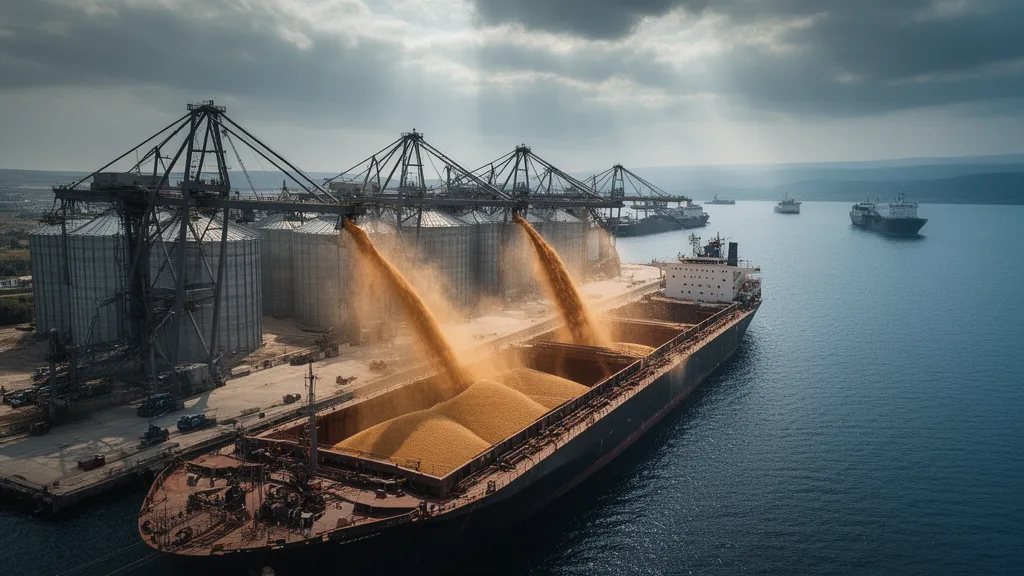
For Black Sea grain traders, these developments skew bearish. Any tightening of EU access could redirect Ukrainian flows toward alternative destinations, raising competition and potentially pressuring prices in those markets. The timing of the debate, early in 2026, complicates Q1 trade planning and may accelerate diversification efforts for Ukrainian-origin cargoes.
Ukraine’s Market Diversification Efforts
Despite the headwinds in the EU, Ukraine continues to expand its presence in third-country markets. It recently secured approval to export cattle to Algeria after negotiations between Ukrainian and Algerian authorities. According to the State Service of Ukraine, five new markets for Ukrainian animal products have opened since the start of the year, underscoring Kyiv’s focus on diversifying export outlets beyond Europe.
Source: Market Data
Leave a Reply