
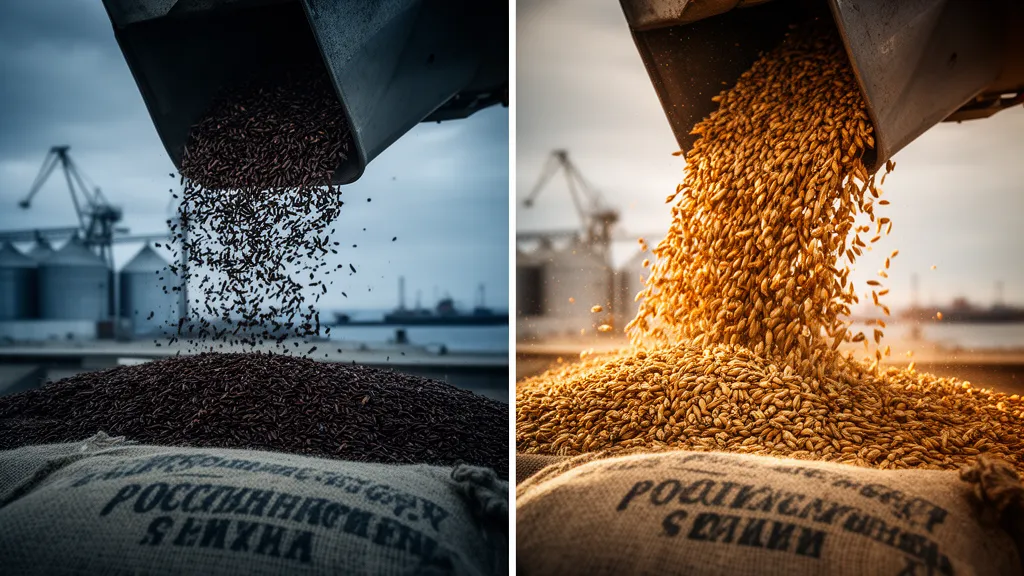
- Prices: Rye bread +13.4% and wheat bread +11.2% in early 2026, with average bakery products at 100–117 rubles/kg.
- Supply shift: Rye acreage down nearly 30%, driving a 10.3% year-on-year fall in rye flour production.
- Costs: Logistics now up to 25% of finished bread costs in some regions, alongside rising energy and labor pressures.
- Demand: Consumption volumes stable, with a shift toward shelf-stable and more affordable bread varieties.
- Market impact: Neutral to bearish for Black Sea wheat as increased Russian wheat output may face stronger domestic demand.
Russian Bread Market Update
Russian bread prices have continued to climb sharply at the start of 2026, according to Rosstat data. Rye bread prices rose 13.4%, while wheat bread increased 11.2%, pushing average bakery product prices into the 100–117 rubles per kilogram range. The immediate impact is higher costs for consumers, who are increasingly trading down to cheaper bread options while keeping overall consumption volumes broadly stable.
| Product / Metric | 2026 Early-Period Value | Change |
|---|---|---|
| Rye bread price | 100–117 RUB/kg (avg. bakery range) | +13.4% |
| Wheat bread price | 100–117 RUB/kg (avg. bakery range) | +11.2% |
| Rye acreage | — | ≈ -30% |
| Rye flour production | — | -10.3% YoY |
| Logistics share of finished cost | Up to 25% | Higher cost burden |
The core driver of price inflation is a structural contraction in rye cultivation. Farmers are abandoning rye, a traditionally low-margin crop, in favor of more profitable wheat. This has reduced rye acreage by nearly 30% and pushed rye flour production down 10.3% year-on-year, tightening supplies for bakeries that rely on rye-based products. The scarcity of rye flour is feeding directly into higher rye bread prices and limiting product diversity, especially in regions where rye bread is a staple.
In contrast, wheat output has expanded as producers pivot acreage, but the resulting increase in wheat flour supply has only modestly eased flour prices. Competitive pressure in the wheat flour market has not been sufficient to fully offset mounting production costs. Bakeries are facing a multi-layered cost squeeze: logistics expenses now account for up to 25% of finished bread costs in some regions, energy costs remain elevated for facilities dependent on electric ovens, and a shortage of qualified bakers is pushing up labor expenses.
Consumer behavior is evolving under these pressures. Demand is shifting toward shelf-stable bakery items that can be stored longer, redirecting production capacity and potentially raising bottlenecks in certain product lines. Despite notable price increases, overall bread consumption volumes have stayed resilient, but buyers are gravitating toward lower-priced bread categories, reinforcing a down-market shift in product mix.
Implications for Wheat and Rye Markets
From a broader grains perspective, the ongoing shift from rye to wheat acreage in Russia is neutral to slightly bearish for Black Sea wheat. Additional wheat plantings are likely to add incremental supply to regional and export markets over time. However, stronger domestic demand for wheat-based breads and bakery products may absorb part of this increase, limiting how much of the surplus reaches the seaborne market. This is especially relevant as consumers substitute away from increasingly expensive rye bread toward wheat-based alternatives.
For rye, the outlook is structurally tighter. Declining profitability and shrinking planted area suggest that rye supplies will remain constrained through 2026 unless pricing adjusts significantly higher to incentivize farmers. This points to continued volatility—potentially further upside—in rye-based product prices. Market participants should track Russian policy responses, planting intentions, and domestic consumption trends to gauge whether expanded wheat production will translate into higher export volumes or be absorbed by an increasingly price-sensitive local bakery sector.
Source: Market Data
Leave a Reply