
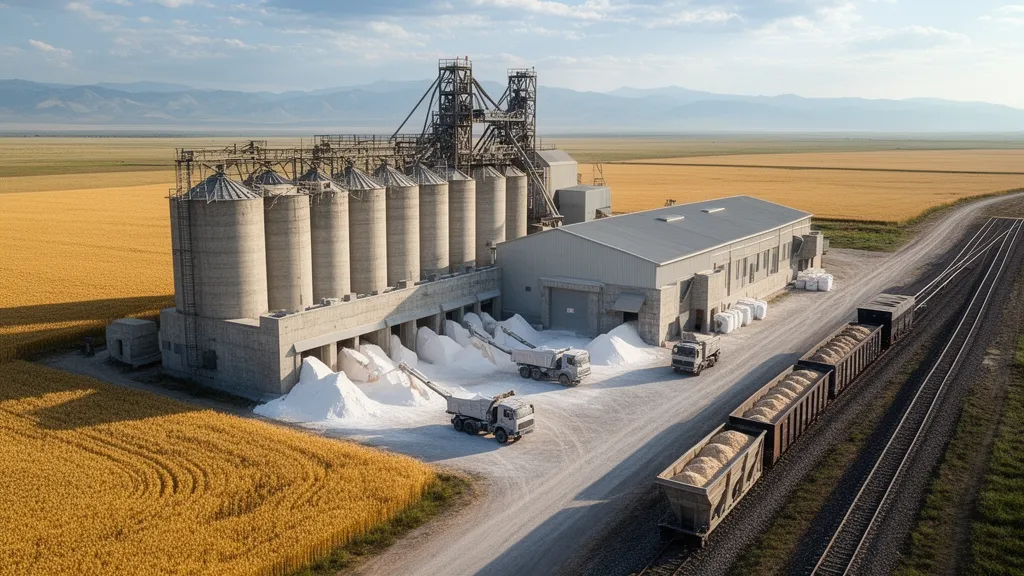
- Kazakhstan’s wheat flour exports to Afghanistan declined 9.8% year-on-year in the first quarter of 2025/26, falling to 321,000 tons.
- Shipments to Uzbekistan dropped 18.8% over the same period, totaling 102,700 tons.
- Combined exports to both key markets decreased by around 58,800 tons, signaling softer regional demand or stronger competition.
- For Black Sea traders, the impact is neutral to slightly bearish as Kazakhstan may redirect more wheat into export channels, adding competition.
Kazakh Wheat Flour Export Performance, Q1 2025/26
Kazakhstan recorded a noticeable downturn in wheat flour exports to its two principal destinations, Afghanistan and Uzbekistan, during the opening quarter of the 2025/26 marketing year (September–November), based on official statistics reported by APK-Inform.
| Destination | Period | 2024/25 Volume (tons) | 2025/26 Volume (tons) | Change (tons) | Change (%) |
|---|---|---|---|---|---|
| Afghanistan | Sep–Nov | 356,000 | 321,000 | -35,000 | -9.8% |
| Uzbekistan | Sep–Nov | 126,500 | 102,700 | -23,800 | -18.8% |
| Total (Afghanistan + Uzbekistan) | Sep–Nov | 482,500 | 423,700 | -58,800 | -12.2% |
Market Update
Shipments of Kazakh wheat flour to Afghanistan reached approximately 321,000 tons in September–November 2025, compared with nearly 356,000 tons in the same period of the 2024/25 season. This reflects a contraction of about 35,000 tons.
Exports to Uzbekistan, Kazakhstan’s second-largest flour buyer, totaled 102,700 tons during the first quarter of the 2025/26 marketing year, down from 126,500 tons a year earlier. The year-on-year decline amounts to 23,800 tons.
Combined flour exports to Afghanistan and Uzbekistan dropped from 482,500 tons to 423,700 tons, indicating a total loss of roughly 58,800 tons across these major Central Asian trade routes.
Market Analysis
The reduction in Kazakh wheat flour exports suggests either easing demand in Afghanistan and Uzbekistan or greater competition from alternative suppliers and substitution with other products. For Black Sea market participants, the development is neutral to slightly bearish: lower flour exports could encourage Kazakhstan to channel more raw wheat into export markets, potentially intensifying competition for Black Sea origin wheat and exerting modest pressure on regional grain prices.
Source: Market Data
Leave a Reply