
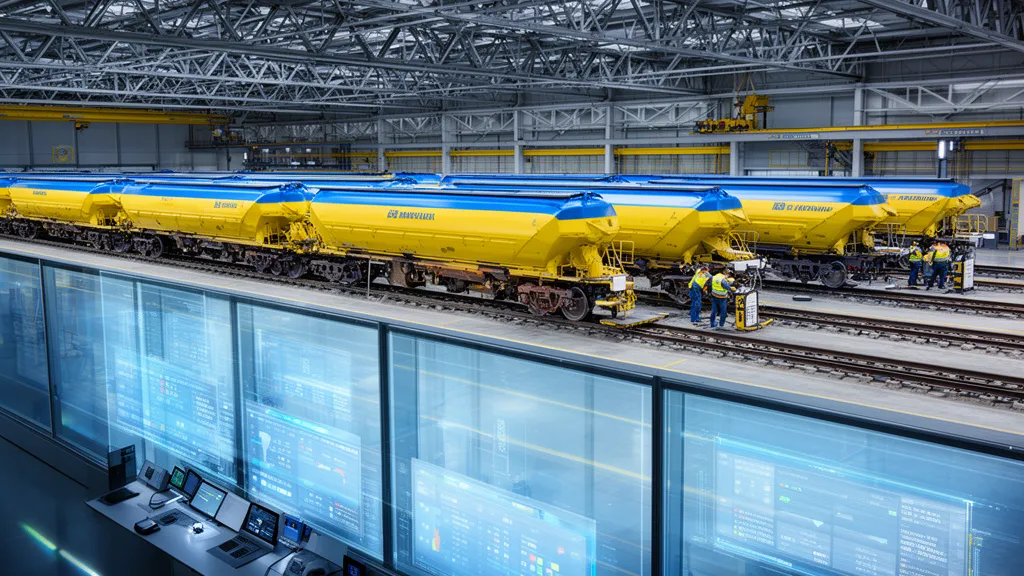
- Ukrzaliznytsia will introduce an automated freight car repair allocation system from January 1, 2026.
- The platform will balance depot workloads using capacity, current utilization, and geographic proximity.
- Full digitalization of contracts, documentation, and payments aims to increase transparency and speed.
- Expected market impact is neutral to mildly bullish, contingent on successful implementation in 2026.
Ukrzaliznytsia Repair Allocation System Launch
Ukrzaliznytsia is preparing to roll out an automated freight car allocation system for its repair facilities starting January 1, 2026. The digital platform will automatically route freight cars to repair depots based on current workload, production capacity, and geographic location, aiming to create a more efficient and balanced repair network.
According to Daniil Glushchenko, head of the UZ Wagon-Service branch, the system will establish a unified and transparent repair queue, applying standardized digital protocols for all customers. This is intended to eliminate uneven facility utilization, reduce human error in allocation decisions, and provide clearer visibility into repair timelines for market participants.
The repair workflow will be organized into three stages: planning and contract execution; service request submission with prepayment followed by repair execution; and electronic processing of reports and final payments via customer accounts. All contracts, applications, and operational documents will be processed online using digital signatures, with every transaction recorded in Ukrzaliznytsia’s central information system.
The company expects the initiative to deliver balanced utilization of repair facilities, more transparent financial operations, faster document processing, and improved customer service for freight car owners and operators.
Market Impact and Logistics Implications
Market Impact: Neutral to Mildly Bullish
This modernization targets a key bottleneck in Black Sea grain logistics: the availability and turnaround time of freight cars. By shortening repair cycles and improving allocation efficiency, the system could help mitigate rolling stock shortages during peak harvest periods, supporting higher and more reliable rail freight capacity for grain flows to Ukrainian ports.
The transparent, automated queue and fully digital processing may also reduce delays linked to manual errors and paperwork, enabling exporters and logistics providers to plan rail shipments with greater predictability. However, the positive effects will depend on the system’s performance during and after the trial phase, with meaningful logistics and market benefits expected only after demonstrated operational improvements post-2026 launch.
Source: Market Data
Leave a Reply